
Design Trends 2026: Modern Design Culture at Home
Modern design culture transforms home curation in 2026. Learn 5 steps to curate spaces that tell your story with intention, warmth, and quiet luxury.
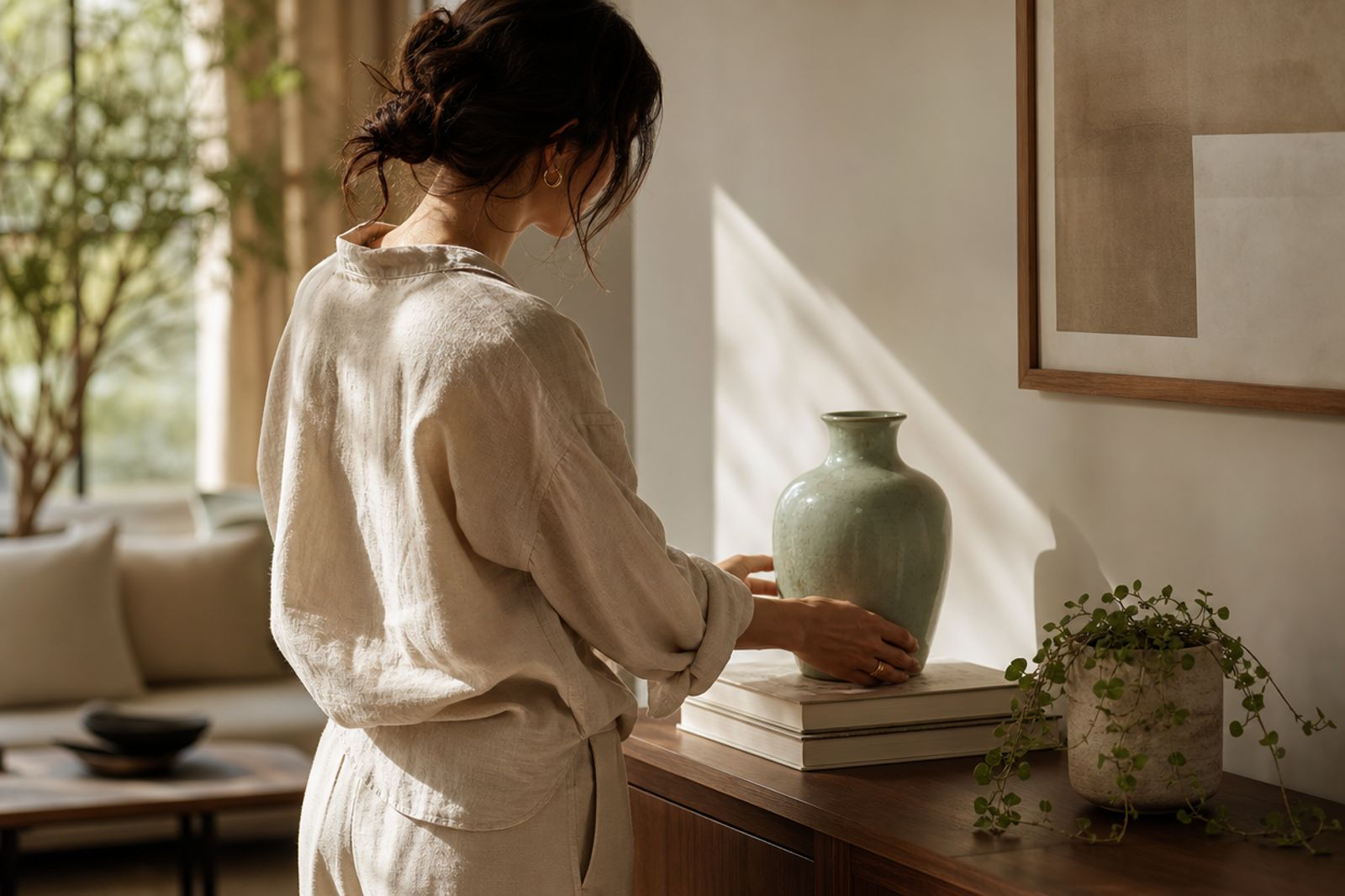

Before you buy a single cushion, paint swatch, or side table, you need three things: clarity on your personal design philosophy, the willingness to edit what you already own, and a commitment to quality over quantity. Modern design culture demands intention — each piece must earn its place in your home through narrative, craftsmanship, or genuine emotional resonance. This guide walks through five deliberate steps to transform any space from a collection of furniture into a curated expression of modern design culture.
For a broader perspective on how intentional living defines modern taste, explore The Complete Guide to Modern Culture.

What Makes Modern Design Culture Different from Decorating?
Modern design culture differs from decorating in one fundamental way: decoration fills space, while curation tells a story. A decorated home follows trends — a curated home follows conviction. This shift from trend-chasing to home curation is the foundational skill of modern design culture, and it is the single most important move a homeowner can make when designing living spaces in 2026.
| Aspect | Decorated Home | Curated Home |
|---|---|---|
| Starting point | What looks good right now | What matters to you personally |
| Selection method | Trend-based purchasing | Intentional editing and choosing |
| Emotional feel | Polished but impersonal | Collected and deeply personal |
| Longevity | Seasonal refresh required | Enduring across years |
| Cost approach | Many affordable pieces | Fewer, higher-quality investments |
Step 1: Define Your Design Philosophy Before You Buy Anything
Define your design philosophy before browsing a single store — your home will reflect intentional values rather than accidental trends. Sit down and ask what you want your space to communicate: warmth, discipline, creativity, heritage? Write down three words that describe how you want to feel in each room, and use those words as a filter for every future purchase. A home rooted in intentional home design resists the pull of passing fads because its foundation is personal conviction, not exterior influence.
When you know your philosophy, shopping shifts from impulse to discernment. That sculptural vase catches your eye — does it serve your three words or distract from them? This question alone eliminates 80 percent of decorative noise (as of 2026) before it enters your home. The goal is not a full house but a resonant one.

Step 2: Edit Ruthlessly — Remove Before You Add
Edit every surface, shelf, and corner before adding a single new piece to the room. The most common mistake in modern design culture is accumulation — buying new items to solve a problem that existing clutter created. Remove everything that does not serve a function, hold a memory, or bring genuine joy, and you will see the bones of your space clearly for the first time.
The 3-5-7 rule, a leading 2026 design principle, helps here: group decorative objects in odd numbers (three, five, or seven) for visual balance instead of scattering items across surfaces. Apply the 70/30 rule, a 2026 design standard, to every shelf and tabletop — 70 percent filled (2026 guideline), 30 percent empty (2026 guideline) — so the eye has room to rest. What remains after editing is your true collection, not your accumulated inventory.
Step 3: Anchor Every Room with One Statement Piece
Anchor each room around one piece that commands attention — a painting, a sculptural chair, or a handmade rug. This single object sets the emotional tone for the entire space and makes every subsequent decision easier. Art-led interior design places the statement piece at the centre and asks furniture, lighting, and accessories to support its story rather than compete with it.
In 2026, the most compelling statement pieces signal human creation — evidence of the hand: a lumpy ceramic vessel, a handwoven textile with visible warp threads, a timber table with cracks and knots left visible. These objects carry warmth that machine-perfect pieces cannot replicate. Build the room around that one anchor, and the rest falls into place naturally.
Step 4: Layer Warmth Through Natural Materials and Texture
Layer warm textures through wood, linen, stone, and wool to create a room that feels collected rather than staged. Warm minimalism has replaced the cold, sparse interiors of the previous decade — today's design culture prioritises tactile richness over visual austerity. A room with five natural materials will always feel more curated than a room with fifty synthetic ones.
Start with the largest surface: a linen sofa, a solid wood dining table, or wool-loop carpet underfoot. Then build layers through smaller touches — stone coasters, a ceramic lamp base, a cotton throw with visible weave. Biophilic materials connect interiors to the natural world and ground modern living spaces in a way that polished surfaces cannot. The 2026 decorating style values authenticity over perfection, and natural materials deliver that effortlessly.
Step 5: Blend Cultural Heritage with Contemporary Function
Blend cultural accents like handwoven textiles, carved wood, or ceramic vessels into your existing decor without turning your home into a museum. Curating design-led home spaces means honouring tradition while adapting pieces for how you actually live. A Moroccan rug works with a mid-century sofa. An heirloom wooden stool serves as a side table next to a minimalist reading lamp.
The key is balance — let one cultural piece carry the story in each room rather than layering multiple traditions in the same sightline. A single Japanese tansu chest against a white wall speaks louder than a shelf crowded with souvenirs from five different countries. This restraint is what separates a curated home from a cluttered one, and it is the defining skill of modern design culture in practice.
Frequently asked
What is the 3-5-7 rule in decorating?
The 3-5-7 rule states that decorative objects arranged in odd numbers — three, five, or seven — create more visually balanced displays than even-numbered groupings. This principle draws on the way the human eye naturally scans a composition, finding odd-numbered arrangements more dynamic and pleasing.
What is the 2026 decorating style?
The 2026 decorating style centres on warm minimalism: spaces that are intentionally sparse but rich in texture, colour, and personal meaning. Across interior design trends 2026, key hallmarks include layered warm neutrals, art-led room composition, biophilic natural materials, and defined purpose-driven rooms over open-concept layouts.
What is the 70/30 rule in design?
The 70/30 rule recommends filling roughly 70 percent of any surface, shelf, or room with objects and leaving 30 percent empty. The negative space allows the eye to rest and makes the curated objects feel intentional rather than crowded.
How does culture influence interior design?
Culture influences interior design through material traditions, spatial customs, colour symbolism, and craft techniques passed across generations. A culturally rich home integrates these influences as deliberate design choices rather than decorative afterthoughts — honouring heritage while meeting the functional demands of modern life.
What defines a design-led home versus a decorated home?
A design-led home starts with a concept and builds every choice around it. A decorated home starts with a store and fills around purchases. The former requires editing, patience, and conviction. The latter is faster but rarely produces spaces that feel genuinely personal.
How to Practice Mindful Consumption in a Culture of Excess
Master mindful consumption in a culture of excess. A 4-step guide to intentional living: pause, research, choose better, curate your environment.
12 Habits of the Modern Luxury Lifestyle Worth Cultivating
Discover luxury lifestyle habits that define modern living — warm minimalism, mindful consumption, and quiet daily rituals that cost attention, not money.

10 Culture Fashion Icons Who Defined Modern Style
From Chanel to Abloh: how 10 fashion icons used clothing to reshape identity, break barriers, and define modern aesthetics across a century of style.