
What Is Clean Beauty Skincare? A Complete Beginner's Guide
Learn what clean beauty skincare means, how it differs from natural and organic, and which certifications to trust when building a clean routine.
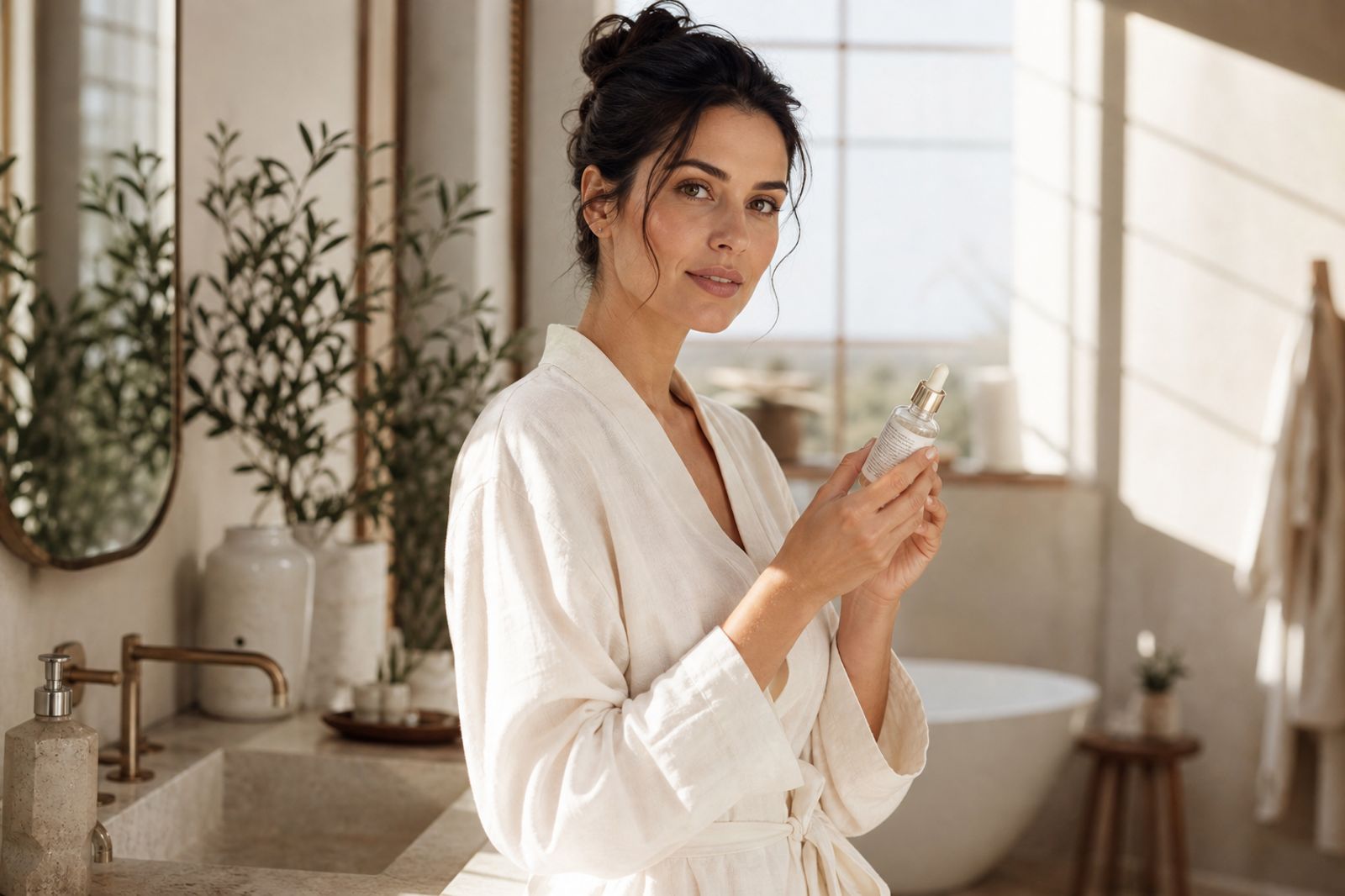

Clean beauty skincare is the practice of formulating products without ingredients linked to health or environmental concerns — and unlike "organic," which requires USDA agricultural certification, the term has no legal definition. Brands and retailers each maintain their own exclusion lists, which makes understanding the category essential before you buy. Clean skincare products range from serums and moisturizers to sunscreens, and the global market for them sits at $10.49 billion as of 2025. The distinction from organic skincare and "natural" skincare — defined by plant-derived sourcing — matters because clean and natural overlap but are not interchangeable.

What Is Clean Beauty Skincare and Where Did It Come From?
Clean beauty skincare prioritizes safety by excluding ingredients with links to health or environmental harm — a standard set by brands and retailers, not regulators. The US FDA restricts roughly a dozen cosmetic ingredients as of 2026, while the European Union bans or restricts over 2,400. That regulatory gap drove advocacy groups and retailers to create their own clean beauty certifications and ingredient standards in the 2010s. Programs like EWG Verified (launched in 2015) now certify over 1,200 skincare products as of 2026, and MADE SAFE screens against more than 6,500 substances. Major retailers adopted ingredient blacklists — Credo Beauty bans over 2,700 ingredients as of 2026 from its shelves — and the organic segment of the natural moisturizers market reached $49.74 billion in 2025.
Why Does Clean Beauty Skincare Matter?
Skin absorbs up to 60% of what is applied to it, which is why clean beauty skincare resonates with health-conscious consumers seeking non-toxic skincare alternatives. As of 2025, sixty-eight percent of consumers actively seek clean ingredients in their beauty purchases, and paraben-free products are growing 80% faster as of 2026 than the overall beauty market. The clean beauty skincare market is expanding at a 16.8% compound annual growth rate as of 2026, projected to reach $35.30 billion by 2033. Third-party certifications provide the only reliable accountability, since marketing terms like "clean" and "non-toxic" remain unregulated in most countries — a gap that pushes informed shoppers toward clean skincare brands that publish full ingredient lists.

How Do You Spot Genuine Clean Beauty Skincare?
Spotting genuine clean beauty skincare brands requires checking for third-party certifications and reading ingredient lists rather than relying on front-label claims. The most recognized certifications include:
- EWG Verified — 1,219 certified skincare products as of 2026, screening against the EWG's ingredient database
- MADE SAFE — certifies products free from 6,500+ known harmful substances
- NATRUE — European standard for natural and organic cosmetics
- Leaping Bunny — cruelty-free certification held by 1,400+ companies as of 2026
Clean beauty retailers like Credo Beauty and The Detox Market enforce standards that go beyond FDA requirements. Credo bans over 2,700 ingredients as of 2026; The Detox Market maintains a comparable exclusion list. Brands with nothing to hide publish full ingredient lists — no "proprietary blend" placeholders, no hidden fragrance compounds. Starting a clean skincare routine means prioritizing leave-on products like moisturizers and serums, where ingredient absorption into the skin is highest.
Clean Beauty vs. Natural vs. Organic: What Is the Difference?
Clean beauty, natural beauty, and organic beauty each address a different aspect of formulation — and the terms are not interchangeable. Clean focuses on safety (excluding potentially harmful ingredients), vegan skincare overlaps with natural, which means plant-derived sourcing, and organic requires USDA agricultural certification. A product can be clean but not natural (using safe synthetic preservatives), or natural but not clean (containing plant-derived ingredients with known irritation potential).
| Term | Definition | Regulation |
|---|---|---|
| Clean | Free from ingredients linked to health or environmental harm | No legal definition — brands and retailers set their own standards |
| Natural | Derived from plant, mineral, or animal sources | No universal standard — varies by certifier |
| Organic | Grown and processed without synthetic pesticides or GMOs | USDA certification required in the US; NATRUE and COSMOS in Europe |
Most clean skincare products use a blend of natural and safe synthetic ingredients. Plant-derived extracts often require preservatives to remain stable, which means formulas that are clean can still be effective — and a clean formulation is not required to be 100% natural. Building a clean skincare routine is about informed choices, not purging every product at once.
The 12 Ingredients Clean Beauty Skincare Avoids — and Why
The US FDA restricts 11 cosmetic ingredients as of 2026. The EU bans or restricts over 2,400. That 218-fold gap is why clean beauty standards exist: to hold products sold in the US to a bar closer to European regulatory thinking. These twelve ingredients appear on virtually every credible clean retailer exclusion list, from Credo to The Detox Market to Follain.
1. Methylparaben and Ethylparaben (parabens) Chemical names: methylparaben (methyl 4-hydroxybenzoate), ethylparaben (ethyl 4-hydroxybenzoate). Used as preservatives in up to 90% of conventional cosmetics as of 2020 industry data. Excluded from clean formulas because they mimic estrogen in the body — a mechanism documented in 2004 research that found parabens in breast tumour tissue. The EU restricts total paraben concentration to 0.8% as of 2026; the FDA imposes no such limit.
2. Phthalates (DBP, DEHP, DEP) Chemical names: dibutyl phthalate, di(2-ethylhexyl) phthalate, diethyl phthalate. Used as plasticisers and fragrance fixatives, most commonly listed under "fragrance" rather than by name. Linked to endocrine disruption in animal studies and flagged by the EU as substances of very high concern as of 2026. The EU bans DBP and DEHP in cosmetics; the US does not.
3. Sodium Lauryl Sulfate and Sodium Laureth Sulfate (SLS/SLES) Chemical names: sodium lauryl sulfate, sodium laureth sulfate. Foaming surfactants present in most conventional cleansers. SLS strips the skin's lipid barrier, measurably increasing transepidermal water loss (TEWL) within one week of daily use, per 2019 dermatology research. SLES is milder but may be contaminated with 1,4-dioxane, a probable carcinogen, during manufacturing.
4. Synthetic Fragrance (parfum) Listed as "fragrance" or "parfum" on INCI ingredient lists. A single fragrance note can contain up to 300 undisclosed chemicals, protected as trade secrets under US law as of 2026. Synthetic fragrance is the leading cause of allergic contact dermatitis in cosmetics, triggering reactions in roughly 11% of patch-tested patients per 2023 clinical data. Clean formulas use essential oils or declare every aromatic compound individually.
5. Formaldehyde-Releasing Preservatives Chemical names: DMDM hydantoin, imidazolidinyl urea, diazolidinyl urea, quaternium-15, bronopol. These compounds slowly release formaldehyde — a known carcinogen (IARC Group 1 as of 2024) — in the bottle and on skin. The EU restricts formaldehyde in cosmetics to 0.2% as of 2026; it is not banned outright in the US. Clean brands replace them with phenoxyethanol, sodium benzoate, or fermentation-derived preservatives.
6. Butylated Hydroxyanisole and Butylated Hydroxytoluene (BHA/BHT) Chemical names: butylated hydroxyanisole, butylated hydroxytoluene. Synthetic antioxidants and preservatives. BHA is classified as a possible human carcinogen by the International Agency for Research on Cancer as of 2024 and is restricted in EU leave-on cosmetics. Both are suspected endocrine disruptors at concentrations found in conventional skincare.
7. Polyethylene Glycols (PEGs) Chemical names: PEG-100 stearate, PEG-40 castor oil (the number indicates molecular weight). Used as emulsifiers, thickeners, and penetration enhancers. PEGs themselves are low-risk; the concern is contamination with ethylene oxide and 1,4-dioxane during manufacture. The EU requires cosmetic-grade PEGs to be tested for these contaminants as of 2026; US regulation does not mandate the same testing.
8. Petroleum-Derived Ingredients (petrolatum, mineral oil) Chemical names: petrolatum (white petrolatum, petroleum jelly), mineral oil (paraffinum liquidum). Occlusive emollients derived from crude oil refining. Unrefined petrolatum may contain polycyclic aromatic hydrocarbons (PAHs), which are carcinogenic. The EU restricts petrolatum in cosmetics to refined grades with a documented safety profile as of 2026. Clean brands use plant-derived occlusives — squalane, shea butter, and jojoba — instead.
9. Oxybenzone and Octinoxate Chemical names: benzophenone-3 (oxybenzone), ethylhexyl methoxycinnamate (octinoxate). Chemical UV filters used in conventional sunscreens. Both have been detected in blood plasma, breast milk, and urine after a single application at concentrations exceeding FDA safety thresholds, per 2019 FDA clinical research. Hawaii banned both in reef-damaging sunscreens as of 2021. Clean sunscreens use zinc oxide and titanium dioxide as mineral alternatives.
10. Triclosan Chemical name: 5-chloro-2-(2,4-dichlorophenoxy)phenol. An antimicrobial agent banned by the FDA in over-the-counter hand soaps as of 2016 but still permitted in cosmetics. Linked to antibiotic resistance and thyroid hormone disruption in animal studies (2018 NIH research). The EU restricts its concentration in leave-on cosmetics to 0.3% as of 2026.
11. Coal Tar Dyes (p-phenylenediamine, CI colourants) Chemical names: p-phenylenediamine (PPD), along with CI 19140 (tartrazine), CI 42090 (Brilliant Blue). Synthetic dyes derived from coal tar. PPD causes severe allergic contact dermatitis and is prohibited in EU hair dye formulas at concentrations above 2% as of 2026. Multiple coal tar dyes are banned in the EU but remain permitted in the US.
12. Toluene Chemical name: methylbenzene. A solvent found in conventional nail polishes that helps product adhere. Linked to neurological damage at high exposures and reproductive toxicity per 2021 OSHA occupational data. The EU restricts toluene in cosmetics to 25% maximum concentration as of 2026; clean nail formulas eliminate it entirely in favour of water-based or "5-free" formulations.
How to Read a Clean Skincare Ingredient List Without a Chemistry Degree
Every product sold in the EU and US must list ingredients in INCI format — International Nomenclature of Cosmetic Ingredients — in descending order of concentration. The ingredient present in the highest amount appears first; preservatives and fragrance appear near the end. Once you understand the structure, reading a skincare label takes under two minutes.
Step 1: Identify the base (first five ingredients) The first five ingredients typically make up 80–95% of the formula. Water (aqua), aloe vera (aloe barbadensis leaf juice), glycerin, and plant oils dominate the top of clean formulas. If petrolatum (petroleum jelly), dimethicone, or PEG compounds appear in the top five, the product uses conventional base chemistry regardless of its clean-beauty marketing.
Step 2: Locate "fragrance" or "parfum" These two words are the primary masking terms in cosmetic ingredient lists. Under US and EU trade-secret law as of 2026, a brand can hide hundreds of undisclosed aromatic chemicals under either term. A clean formula either omits fragrance entirely (truly fragrance-free) or lists every aromatic component individually — linalool, limonene, geraniol — by INCI name.
Step 3: Understand "fragrance-free" vs "unscented" These terms are not synonymous. "Fragrance-free" means no fragrance compounds were added. "Unscented" means masking agents — which are themselves fragrance chemicals — were used to neutralise the natural smell of other ingredients. If you have sensitive skin or fragrance sensitivity, fragrance-free is the only reliable claim; unscented products regularly trigger reactions.
Step 4: Use EWG's Skin Deep database The Environmental Working Group's Skin Deep database (ewg.org/skindeep) rates over 100,000 products and 80,000 ingredients on a 1–10 hazard scale as of 2026. Enter any ingredient INCI name to see a full breakdown of associated concerns, EU restriction status, and peer-reviewed studies. The database is free and updated continuously — it is the fastest way to check an unfamiliar ingredient name without a chemistry background.
Step 5: Watch for ingredient function doubling Some ingredients serve dual purposes that obscure their presence. Phenoxyethanol is a clean-approved preservative, but "ethanol" (alcohol denat.) can function as both a solvent and a preservative and is dehydrating at concentrations above 20%. Similarly, citric acid adjusts pH but at higher concentrations acts as an exfoliant — relevant if you are layering multiple acids.
Step 6: Cross-reference with Credo's Dirty List Credo Beauty publishes its banned ingredient list publicly as a downloadable PDF as of 2026 — 2,700+ ingredients with reasons for exclusion. Searching a suspect ingredient against the Credo list takes thirty seconds and gives you retailer-level confirmation that it fails a credible clean standard.
How to Build a Clean Skincare Routine: A Four-Step Framework
A clean skincare routine does not require overhauling everything at once. Prioritise leave-on products — moisturiser, serum, and sunscreen — where ingredients remain in contact with skin for hours. Rinse-off products like cleansers matter less, because contact time is short. This four-step framework applies to every skin type; adjust active concentrations based on your specific concerns.
Step 1: Cleanse A clean cleanser removes makeup, SPF, and excess sebum without stripping the lipid barrier. Look for surfactants like sodium cocoyl isethionate (coconut-derived) or coco-glucoside rather than SLS/SLES. Certifications to prioritise at this step: MADE SAFE and EWG Verified, which both screen for irritating surfactants. Avoid anything listing "fragrance" or "parfum" — foaming products with fragrance often leave a residue of undisclosed chemicals on skin that the rinse does not fully remove. If you wear SPF or makeup, double cleanse: oil cleanser first (jojoba or squalane-based), water-based cleanser second.
Step 2: Treat This is where active ingredients address specific concerns — vitamin C for hyperpigmentation, niacinamide for pores and oil regulation, or hyaluronic acid for hydration. Clean actives to look for include bakuchiol (the plant-based retinol alternative), azelaic acid (20% over-the-counter in the EU, 10% in clean formulas as of 2026), and L-ascorbic acid at 10–20% concentration. For broader guidance on layering these actives with complementary products, the Korean skincare guide covers the ten-step approach in detail — useful reference even if you adopt only three or four steps. Certifications at this step: EWG Verified carries the most weight for leave-on treatments, where ingredient safety matters most.
Step 3: Moisturise A clean moisturiser seals in the actives from step two and restores what cleansing removes. Ingredients to seek: plant-derived squalane, shea butter, ceramides (plant-derived from wheat or konjac), and sodium hyaluronate. Ingredients to avoid: petrolatum (unless EU-refined grade), PEG emulsifiers, and synthetic fragrance. For oily or acne-prone skin, a gel-cream with niacinamide and aloe provides moisture without occlusion. Dry skin benefits from a richer formula with mango seed butter or meadowfoam seed oil. The best natural moisturisers guide covers specific product picks at every price point. NATRUE certification is particularly relevant here — it requires a minimum percentage of natural origin ingredients in the formula.
Step 4: Protect Sunscreen is non-negotiable in a clean routine — UV exposure accelerates every skin concern from hyperpigmentation to premature ageing. Clean SPF uses zinc oxide and/or titanium dioxide as mineral UV filters rather than oxybenzone or octinoxate. Look for non-nano zinc oxide (particle size above 100nm) to eliminate skin penetration concerns. Mineral SPF 30+ provides adequate daily protection; SPF 50+ is appropriate for extended outdoor exposure. Certifications at this step are limited — few SPF products carry full EWG Verified status, but EWG's Sunscreen Guide (published annually) rates every major SPF formula and is the most reliable clean reference for sun protection. For those transitioning to clean products from a conventional routine, sunscreen is the last switch to make — the stakes of inadequate SPF outweigh ingredient preferences during the transition period. If you are building out a full clean body care and vegan skincare routine alongside your face products, apply the same mineral-filter rule to body SPF.
Frequently asked
What is the difference between clean beauty and natural beauty?
Clean beauty focuses on excluding ingredients with health or safety concerns, while natural beauty emphasizes plant-derived sourcing. A product can be both, but the terms address different aspects of formulation.
Are clean beauty skincare products actually better for your skin?
Clean beauty skincare products avoid ingredients with documented health concerns, such as certain parabens and sulfates. Paraben-free products are growing 80% faster than the overall beauty market, reflecting consumer confidence in these formulations.
What ingredients should I avoid in clean skincare?
Common exclusions in clean skincare include parabens, phthalates, sulfates (SLS/SLES), synthetic fragrances, and formaldehyde-releasing preservatives. Specific exclusion lists vary by retailer and certification program.
Which certifications matter most for clean beauty?
EWG Verified (1,219 certified skincare products) and MADE SAFE (6,500+ screened substances) are the most widely recognized. NATRUE and Leaping Bunny provide additional assurance for natural and cruelty-free claims, respectively.
How do I start a clean skincare routine?
Start by replacing leave-on products — moisturizer and serum — where ingredient absorption matters most. A truly effective minimal routine consists of three steps: cleanse, treat, and protect.

12 Best Cruelty-Free Skincare Brands for Every Budget
Discover 12 verified cruelty-free skincare brands across every price tier — from $8 serums to clinical luxury. Leaping Bunny and PETA certified.

Best Vegan Facial Care Products for Every Skin Type
Discover the best vegan facial care products by skin type — from budget staples to luxury treatments. Verified certifications, clinically backed actives.

10 Best Natural Moisturizers for Every Skin Type
Discover the 10 best natural moisturizers for dry, oily, and sensitive skin — from $16 drugstore finds to $110 luxury oils, all editor-vetted.