
The Philosophy of Intentional Living and Modern Elegance
The philosophy of intentional living: how value-clarity, temporal sovereignty, and curated environments define modern elegance in the quiet luxury era.
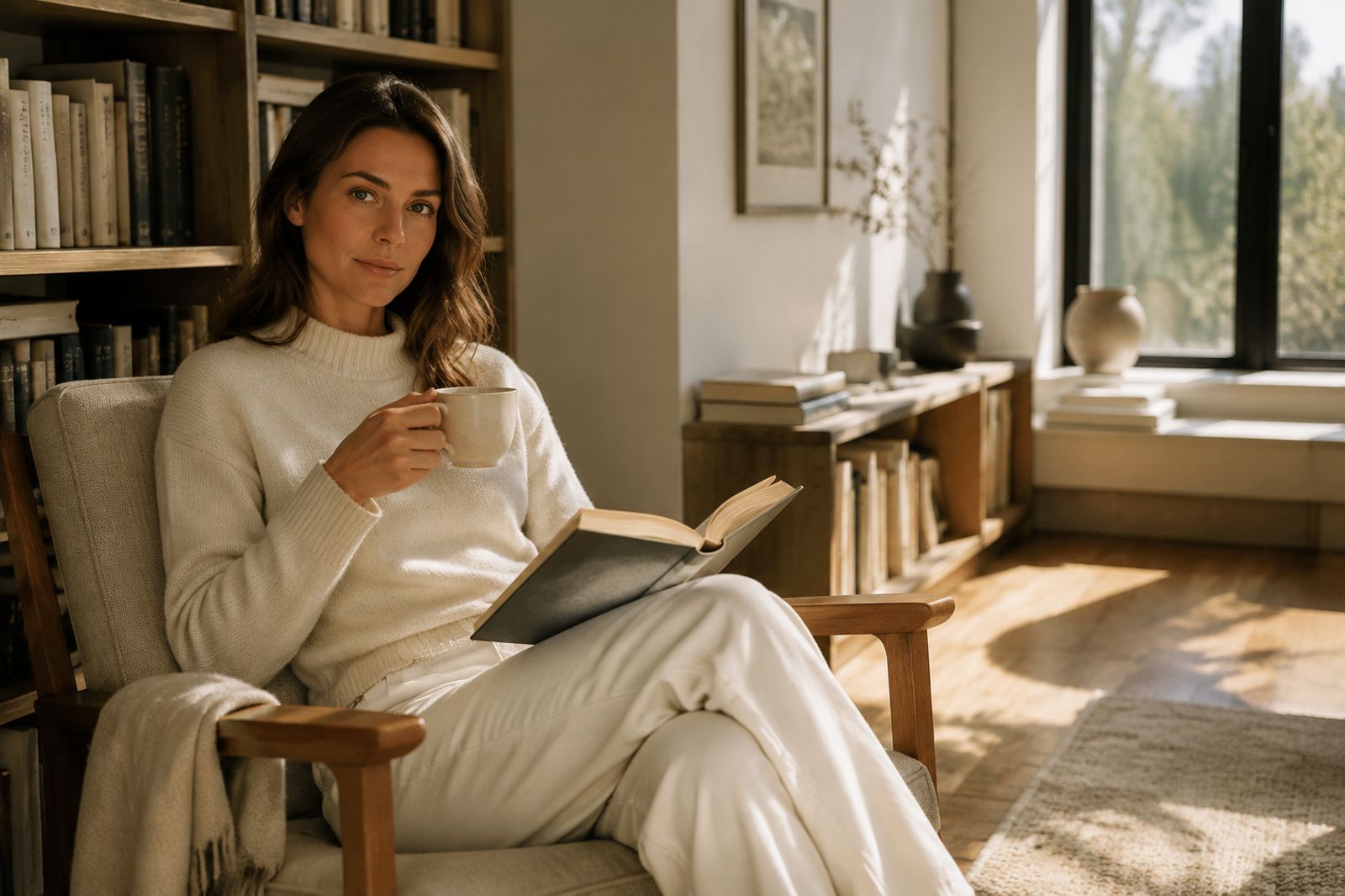

The quiet luxury phenomenon that swept runways and boardrooms over the past five years was never about hemlines or handbag silhouettes. It was the material expression of a deeper philosophical shift: intentional living, reframed for a generation drowning in excess and starved for meaning. The real status signal in 2026 is not what you own but the deliberateness with which you chose it.
This alignment of values and possessions sits at the heart of modern culture today, where discernment has replaced display as the defining marker of taste.
Intentional Living's First Pillar — Value-Clarity
Value-clarity demands a reckoning most people avoid: naming what actually matters before deciding what to do, buy, or pursue. In a culture engineered for reflex consumption — where every scroll triggers a purchase impulse and every notification fractures attention — the act of defining personal values becomes a competitive advantage. The intentional living philosophy rests on a simple but brutal premise: you cannot align your life with values you have never articulated.
The quiet luxury wardrobe, viewed through this lens, is not a collection of expensive basics; it is conscious consumption given material form. It is a portfolio of decisions made against a clear standard. A cashmere crewneck purchased because it will be worn two hundred times over a decade is a value-aligned choice. The same sweater bought because a trend report named it the season's must-have is not, regardless of fabric quality. The difference is invisible at retail but radical over a lifetime of acquisitions.
| Dimension | Reflex Living | Intentional Living |
|---|---|---|
| Purchase trigger | Emotion, trend, algorithm | Clear value criteria |
| Wardrobe composition | 120 items (as of 2026), 20% worn regularly | 35 items (as of 2026), all worn regularly |
| Time allocation | Reactive — notifications and demands | Protected — scheduled priorities |
| Relationship to possessions | Accumulation | Curation |
| Definition of "enough" | Arbitrary, externally set | Personally defined and defended |
The data supports the pivot. Luxury resale grew twenty-two percent in 2025 alone, signaling that even high-net-worth consumers are rethinking accumulation as a default behavior.
Key indicators of the shift toward intentional living:
- Wardrobe consolidation — The average intentional wardrobe contains 35 pieces (as of 2026), all worn regularly, compared to 120 items in a reflex wardrobe where only 20% see regular use.
- Time allocation — Intentional living prioritises protected blocks for values-aligned activities over reactive notification-driven schedules.
- Consumption mindset — Every purchase follows from clear value criteria rather than emotional triggers, trend reports, or algorithmic prompting.
The question is no longer whether values-aligned living is a niche philosophy but whether the mainstream is ready to do the work it requires.
Temporal Sovereignty — Reclaiming Your Most Finite Resource
Temporal sovereignty is the least discussed pillar of intentional living and the most consequential. Every decision to acquire, attend, or engage carries an implicit time cost that most accounting frameworks ignore. The five hours spent browsing for the perfect sofa are five hours not spent reading, thinking, or being present — and that trade-off matters more than the sofa's provenance.
The friction between modern culture and intentional living is nowhere sharper than in the attention economy. Social media users are projected to reach five point eight five billion by 2027, each averaging over two hours of daily platform engagement. That collective time expenditure represents an unprecedented drain on the resource that intentional living seeks to protect. The modern elegance lifestyle, by contrast, treats time as the primary luxury — everything else is subordinate. Adopting an intentional lifestyle does not require monastic discipline; it requires recognizing that every yes to one thing is a no to something else.
Temporal sovereignty reframing has practical teeth. It means saying no to options, not accumulating them. It means a dinner party with six carefully chosen guests over a thirty-person networking event. It means one well-made coat worn for a decade instead of a seasonal rotation. The quiet luxury movement, understood through this lens, is not about spending more but about choosing so well that replacement becomes unnecessary.
Designing a Curated Environment — Does Space Shape Intentional Living?
Designing a curated environment is not about aesthetics — it is about creating physical conditions that make intentional decisions easier. A home where the television dominates the living room's visual center will be watched more than one where bookshelves and a reading chair occupy the prime position. This is not willpower failure; it is environment design, and intentional living requires getting it right.
The same principle extends to digital space. Every app icon on a phone screen is a standing invitation to redirect attention. Every push notification is a tiny assault on temporal sovereignty. The intentional response is not discipline but architecture: removing the invitation rather than resisting it. Consumers who actively curate their digital environments report significantly higher satisfaction with their time use, though the practice remains rare enough to be noteworthy.

The wardrobe application is equally direct. A closet organized by color and category where every piece fits, flatters, and aligns with a defined personal aesthetic removes the daily friction of deciding what to wear. The result is not merely efficiency but a small daily reaffirmation of values — a quiet ritual that reinforces the intentional living philosophy eighty or ninety times a year.
Where This Lands Us
The intentional living philosophy is not a lifestyle trend destined for the cultural graveyard alongside hygge and quiet quitting. It is a structural response to a century of marketing that has conflated acquisition with fulfillment and speed with progress. The modern elegance lifestyle it produces is not about the price tag of a leather tote or the thread count of Italian bed linen. It is about the confidence that comes from knowing exactly why each object, commitment, and relationship in your life is there. That confidence cannot be bought, but it can be built — one deliberate decision at a time.
Frequently asked
What is intentional living?
Intentional living is the practice of making conscious, value-aligned decisions across all domains of life — from purchases to relationships to time use. It replaces default behavior with deliberate choice.
How is intentional living connected to quiet luxury?
Quiet luxury is the material and aesthetic expression of intentional living. Both prioritize discernment, quality, permanence, and understated elegance over display and accumulation.
What does an intentional life look like day to day?
It means waking to a morning routine chosen for its alignment with personal values, wearing a capsule wardrobe of carefully selected pieces, working on projects that match stated priorities, and spending evenings with people who have been actively chosen rather than passively accumulated.
How do you start living intentionally?
Begin by writing down the three values that matter most to you in this season of life. For one week, evaluate every decision against those values before acting. The exercise reveals how far daily behavior has drifted from stated priorities — and where to adjust first.
Can intentional living coexist with ambition and growth?
Intentional living does not oppose ambition; it requires ambition to be specific. The framework rejects not achievement but aimless achievement — growth chosen for its own sake rather than for its alignment with a defined life vision.

Master Mindful Consumption: Embrace Luxury in Simplicity
Discover mindful consumption practices to thrive in a culture of excess. Elevate your lifestyle with intentional living and sustainable shopping habits.
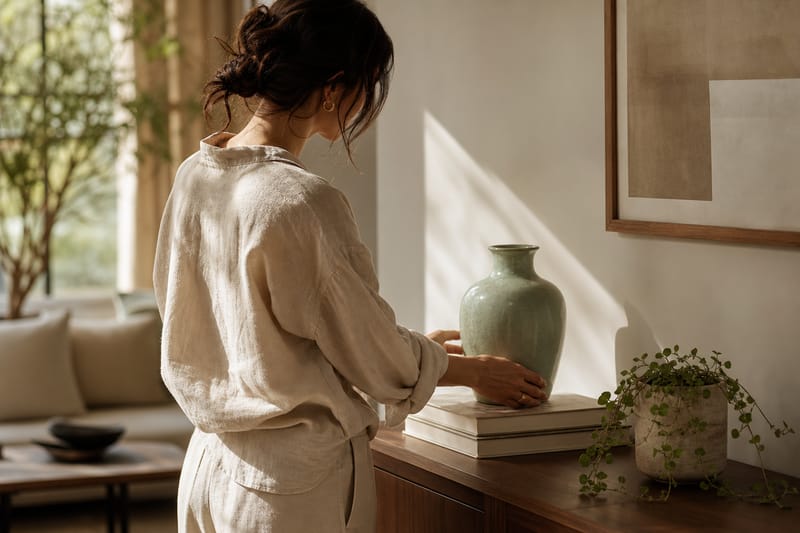
Design Trends 2026: Modern Design Culture at Home
Modern design culture transforms home curation in 2026. Learn 5 steps to curate spaces that tell your story with intention, warmth, and quiet luxury.