
Minimalist Fashion: A Complete Guide to Intentional Style
Build a wardrobe around fewer, higher-quality pieces. This minimalist fashion guide covers capsule strategies, essential pieces, and the 3-3-3 rule.
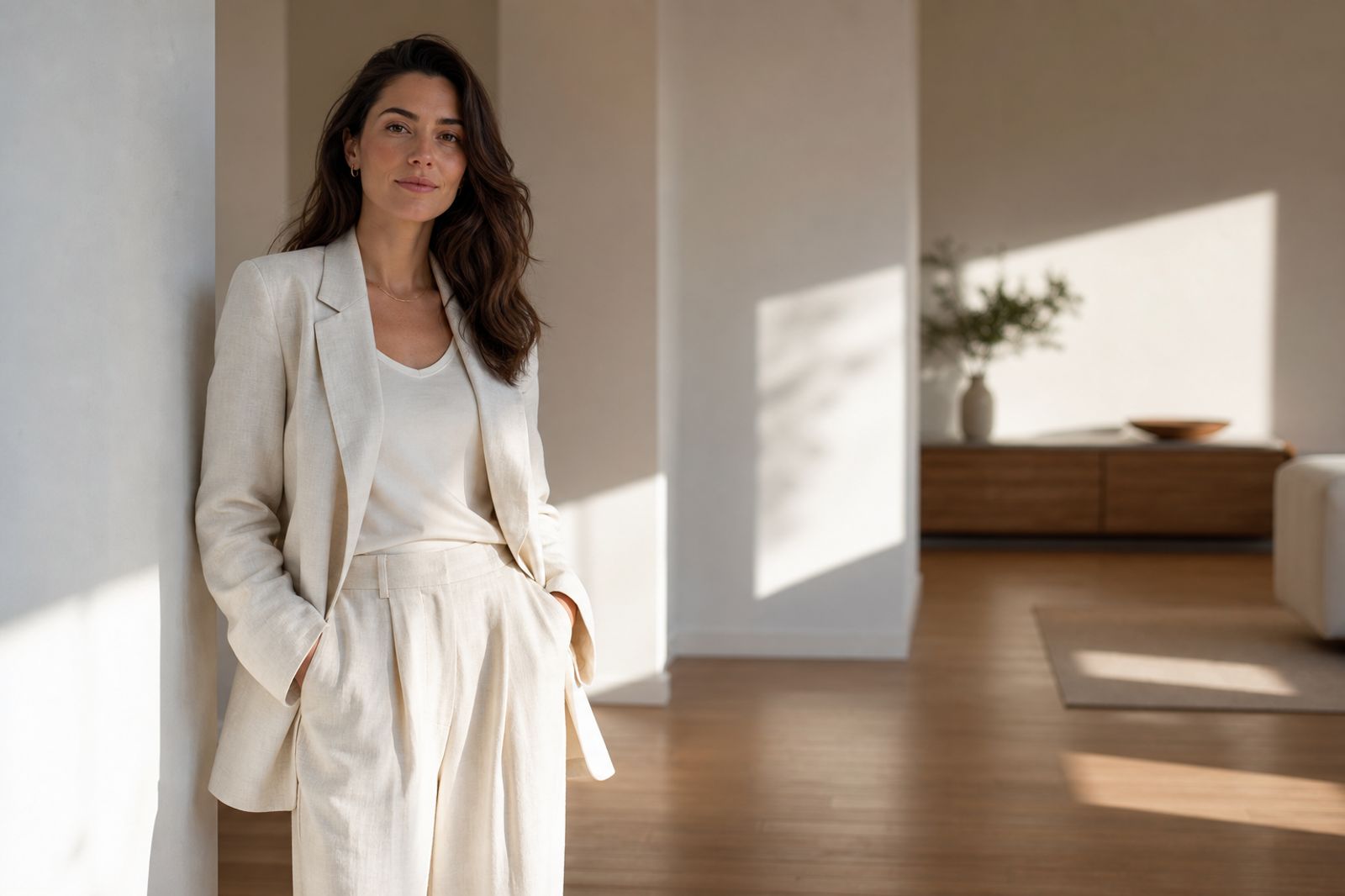

Minimalist fashion is the practice of building a wardrobe around fewer, higher-quality pieces that mix, layer, and last — a philosophy that trades volume for intention and trend-chasing for lasting style. The table of contents below maps every section of this guide, from the origins of minimalism to the exact steps for curating your first capsule. Whether you are editing an overstuffed closet or starting from scratch, the principles here give you a framework that works across seasons, budgets, and body types.

Minimalist Fashion Origins: From Chanel to Quiet Luxury
Minimalist fashion traces its roots to the 1920s, when Coco Chanel introduced the little black dress as a uniform of modern elegance. The philosophy matured through the 1990s under designers like Calvin Klein and Jil Sander, whose clean lines and monochrome palettes defined a decade of pared-back dressing. By the 2010s, Phoebe Philo's tenure at Céline turned minimalism into the gold standard for understated luxury, with sculpted coats and precise tailoring that sold out every season. Today, the quiet luxury movement — think The Row, Brunello Cucinelli, and Khaite — merges minimalist principles with investment dressing, driving a market where personal luxury goods sit near €362 billion globally as of 2026. Minimalism never disappeared; it simply evolved from counterculture to default setting for anyone who dresses with intent.
The Core Principles of a Minimalist Wardrobe
The five non-negotiable principles of a minimalist wardrobe separate intentional dressing from simply owning fewer clothes.
- Classic silhouettes that transcend trend cycles — a straight-leg trouser, a clean midi skirt, a structured blazer
- High-quality fabrics — wool, cashmere, organic cotton, linen, Tencel — that hold shape and texture through hundreds of wears
- A cohesive neutral palette as the foundation: black, white, navy, camel, grey, with accent tones layered in sparingly
- Mix-and-match versatility — every top works with at least three bottoms (a rule that holds in 2026 wardrobe planning), and every shoe works across multiple outfits
- Confidence to say no — letting discernment, not impulse, drive every purchase

In 2026, the global fashion industry produces 92 million tonnes of textile waste annually, and garment wear frequency has declined 36% over the past 15 years (2011–2026). Minimalist dressing directly counters this pattern by choosing pieces designed for repetition — the opposite of fast fashion's wear-once-and-discard model.
Minimalist Fashion Entry Points: Which Rules Actually Work?
The most effective minimalist frameworks give structure without rigidity. Three approaches stand out for different lifestyles.
| Rule (Year) | How It Works | Best For |
|---|---|---|
| 3-3-3 Rule (2026) | Pick 3 tops, 3 bottoms, 3 shoes — create 9+ outfits from 9 pieces in 2026 | Beginners testing minimalism without commitment |
| Project 333 (since 2010) | Capsule 33 items (including shoes, accessories) for 3 months per 2026 guidelines | Intermediate dressers ready for a full seasonal edit |
| 70/30 Rule (2026) | 70% wardrobe basics, 30% personality or statement pieces | Anyone who wants minimalism without losing individuality |
As of 2026, the 3-3-3 rule works because it imposes a hard constraint that forces creative pairing — you discover combinations you would never try with a full closet. Project 333, created by Courtney Carver, pushes further by asking you to live with less for an entire season, which rewires how you evaluate what you actually reach for. The 70/30 rule suits people who love fashion but want guardrails: a wardrobe where the foundation is reliable and the accents are expressive.
Building a Minimalist Wardrobe: Essential Pieces
Building a minimalist wardrobe starts with a core set of pieces that form the backbone of daily dressing. The following minimalist wardrobe essentials cover items that work across seasons, settings, and formality levels.
- White button-down shirt — pairs with denim, tailored trousers, layered under knitwear
- Straight-leg or wide-leg trousers in navy or black — the workhorse bottom
- Cashmere or merino crewneck sweater — layering anchor in cool months
- Tailored blazer in camel, navy, or charcoal — elevates any outfit instantly
- Midi skirt or dress in a neutral tone — one piece, complete outfit
- Quality denim in a classic wash — the most versatile casual bottom
- Leather or suede shoes — one pair each of loafers, ankle boots, and simple sneakers
- Structured coat — wool overcoat for winter, trench for transitional months
The key is buying these in the best fabric you can afford. A $40 cotton-poly blend blazer (as of 2026) will not drape, last, or photograph the way a $200 wool-cashmere piece (as of 2026) will — and minimalist dressing depends on how fabric behaves over time, not how it looks on a hanger.
How to dress minimalist starts with auditing what you already own. Pull everything from your closet, sort by category, and keep only pieces that fit well, feel good, and work with at least three other items. The remaining essentials form the skeleton of your wardrobe — the rest is refinement, not acquisition.

Minimalist Fashion for Women: Capsule Strategies That Scale
Minimalist fashion for women thrives on capsule wardrobes — curated collections where every piece earns its place. The most successful capsules share three traits: they are seasonal, they are personal, and they evolve. A spring-summer capsule centres on linen, light cotton, and open-toe shoes in a palette of white, ecru, and soft tan. An autumn-winter capsule shifts to wool, cashmere, and leather in deeper tones — charcoal, burgundy, forest green. The number is less important than the logic: every piece must work with at least three others, and nothing sits in isolation.
A capsule wardrobe minimalist approach works best when you treat it as a living system, not a one-time purge. When every option is curated, every option works. The mental load of getting dressed drops dramatically — a benefit backed by the growing body of research on decision fatigue and the reason many high-performing professionals adopt some form of daily uniform.
Minimalist Clothing Style: How to Avoid Looking Boring
The most common objection to minimalist fashion is that it produces a monochrome uniform with no personality. The reality is the opposite — minimalist clothing style demands more creativity because you cannot hide behind novelty. The solution lies in three techniques.
Texture variation does what colour cannot. Pairing a ribbed knit with a smooth leather skirt, or a matte linen shirt with a satin slip, creates visual interest within a single tonal range. Proportion play — oversized top with slim bottom, cropped jacket with wide trousers — gives dimension without adding pattern. Strategic accessories — a single gold cuff, a structured bag in an unexpected shade, a silk scarf tied at the neck — inject personality without breaking the minimalist framework.
Ali Pew, known for her work exploring minimalist ease, approaches dressing as composition rather than decoration. The outfit works because each element earns its place, not because it matches a mood board. Jenni Kayne's California-inflected minimalism takes a similar stance: relaxed silhouettes, natural fabrics, and a confidence that does not need to announce itself.
Why Minimalist Fashion Supports Sustainable Style
Why minimalist fashion aligns with sustainability comes down to shared values — both reject overproduction in favour of fewer, better choices. Sustainability asks "what is the least harm?" while minimalism asks "what is the most value per piece?" The overlap is significant. Less than 1% of clothing is currently recycled as of 2026 into new fibres, and the fashion industry accounts for roughly 10% of global carbon emissions in 2026 — more than international flights and maritime shipping combined as of 2026. Every piece that stays in a wardrobe longer, gets worn more often, and avoids landfill is a direct reduction in that footprint.
The slow fashion movement — which prioritises craftsmanship, fair labour, and material transparency — aligns naturally with minimalist values. A minimalist dresser who buys four well-made garments a year instead of forty disposable ones is practicing sustainability whether or not they use the word.

Minimalist Fashion Value: Is It Worth the Investment?
Minimalist fashion value comes down to cost-per-wear — a metric that divides the price of a garment by the number of times you wear it. A £300 wool coat (as of 2026) worn 150 times over three winters costs £2 per wear. A £60 fast-fashion coat (as of 2026) that pills, loses shape, and gets donated after 15 wears costs £4 per wear. The math favours quality every time, and it changes how you think about price tags.
The upfront investment is real, and it is the barrier most people hit first. The workaround is building gradually: start with one quality blazer or one pair of well-made trousers, and let the capsule grow as budget allows. Over 12 to 18 months (a 2026 guideline), a curated wardrobe of 25 to 35 pieces replaces a closet of 100 — and the average person wears those 25 pieces more often than they ever wore the hundred.
Frequently Asked Questions About Minimalist Fashion
Frequently asked questions about minimalist fashion cover the essentials: what it is, how to start, and whether it works on a budget.
What is minimalist fashion? Minimalist fashion is a style philosophy built on fewer, higher-quality pieces that mix, layer, and endure. The focus shifts from trend-chasing to intentional curation — a wardrobe where every item earns its place through versatility, quality, and personal resonance.
How many clothes should a minimalist wardrobe have? Most minimalist wardrobes in 2026 contain 25 to 40 pieces, excluding underwear and workout clothes. The exact number depends on lifestyle, climate, and profession — but the principle is the same: every piece must work with at least three others.
Can minimalist fashion work on a budget? Yes. Building a minimalist wardrobe on a budget means buying fewer pieces at a time, prioritising secondhand and vintage for quality fabrics, and focusing on versatile neutrals that multiply outfit combinations. Thrift stores and consignment shops carry high-quality natural fibres at a fraction of retail.
What is the 3-3-3 rule in fashion? The 3-3-3 rule asks you to select 3 tops, 3 bottoms, and 3 shoes — creating 9 or more outfits from just 9 pieces. The constraint forces creative pairing and reveals how few items you actually need to dress well.
Is minimalist fashion the same as sustainable fashion? Minimalist fashion and sustainable fashion overlap but are not identical. Minimalism focuses on intentionality and fewer purchases; sustainable fashion focuses on environmental and ethical production. A minimalist dresser buys less; a sustainable dresser buys responsibly. The most impactful wardrobe does both.
Frequently asked
What is minimalist fashion?
Minimalist fashion is a style philosophy built on fewer, higher-quality pieces that mix, layer, and endure. The focus shifts from trend-chasing to intentional curation — a wardrobe where every item earns its place through versatility, quality, and personal resonance.
How many clothes should a minimalist wardrobe have?
Most minimalist wardrobes contain 25 to 40 pieces, excluding underwear and workout clothes. The exact number depends on lifestyle, climate, and profession — but the principle is the same: every piece must work with at least three others.
Can minimalist fashion work on a budget?
Yes. Building a minimalist wardrobe on a budget means buying fewer pieces at a time, prioritising secondhand and vintage for quality fabrics, and focusing on versatile neutrals that multiply outfit combinations.
What is the 3-3-3 rule in fashion?
The 3-3-3 rule asks you to select 3 tops, 3 bottoms, and 3 shoes — creating 9 or more outfits from just 9 pieces. The constraint forces creative pairing and reveals how few items you actually need to dress well.
Is minimalist fashion the same as sustainable fashion?
Minimalist fashion and sustainable fashion overlap but are not identical. Minimalism focuses on intentionality and fewer purchases; sustainable fashion focuses on environmental and ethical production. The most impactful wardrobe does both.
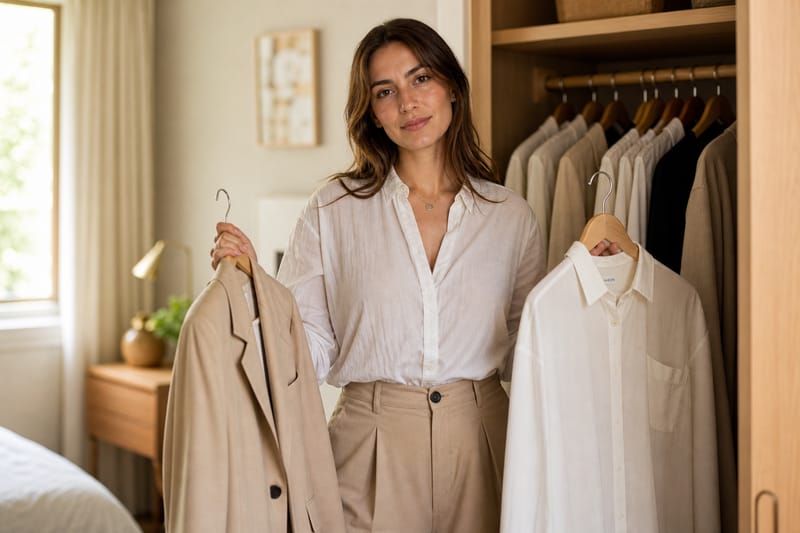
How to Build a Capsule Wardrobe: A Step-by-Step Guide
Learn how to build a capsule wardrobe with 30 to 40 versatile pieces. Covers closet audit, color palettes, essentials, and the 3-3-3 rule.
Personal Style Identity: Why It Beats Every Trend in 2026
Personal style identity outlasts fast fashion's 52 micro-trends. Define your aesthetic, shop intentionally, and dress with confidence in 2026.
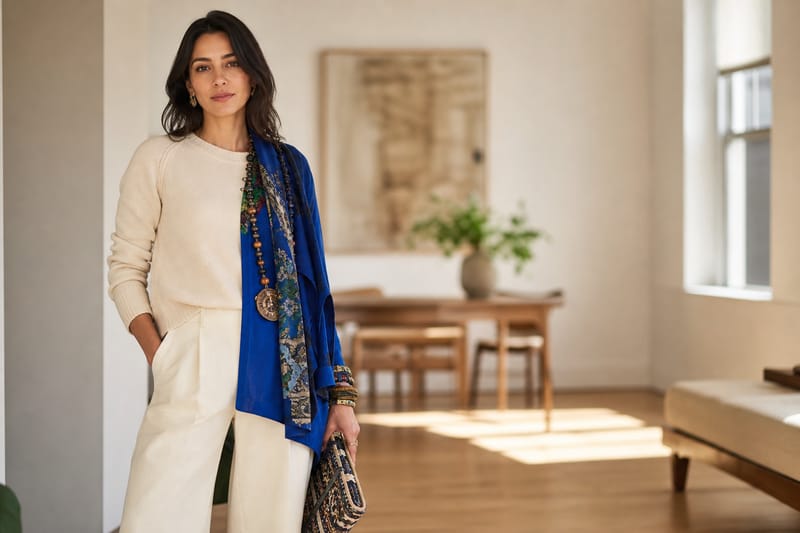
Maximalism vs Minimalism: How to Find Your Volume of Dressing
Discover your place on the maximalism vs minimalism spectrum with our 5-stop dressing volume guide. Practical framework for 2026 personal style.