
Nail Care 101: The Complete Guide to Healthy, Strong Nails
Discover nail care basics for 2026 — daily routines, nutrition, and expert-backed tips for stronger, healthier nails rooted in quiet luxury.
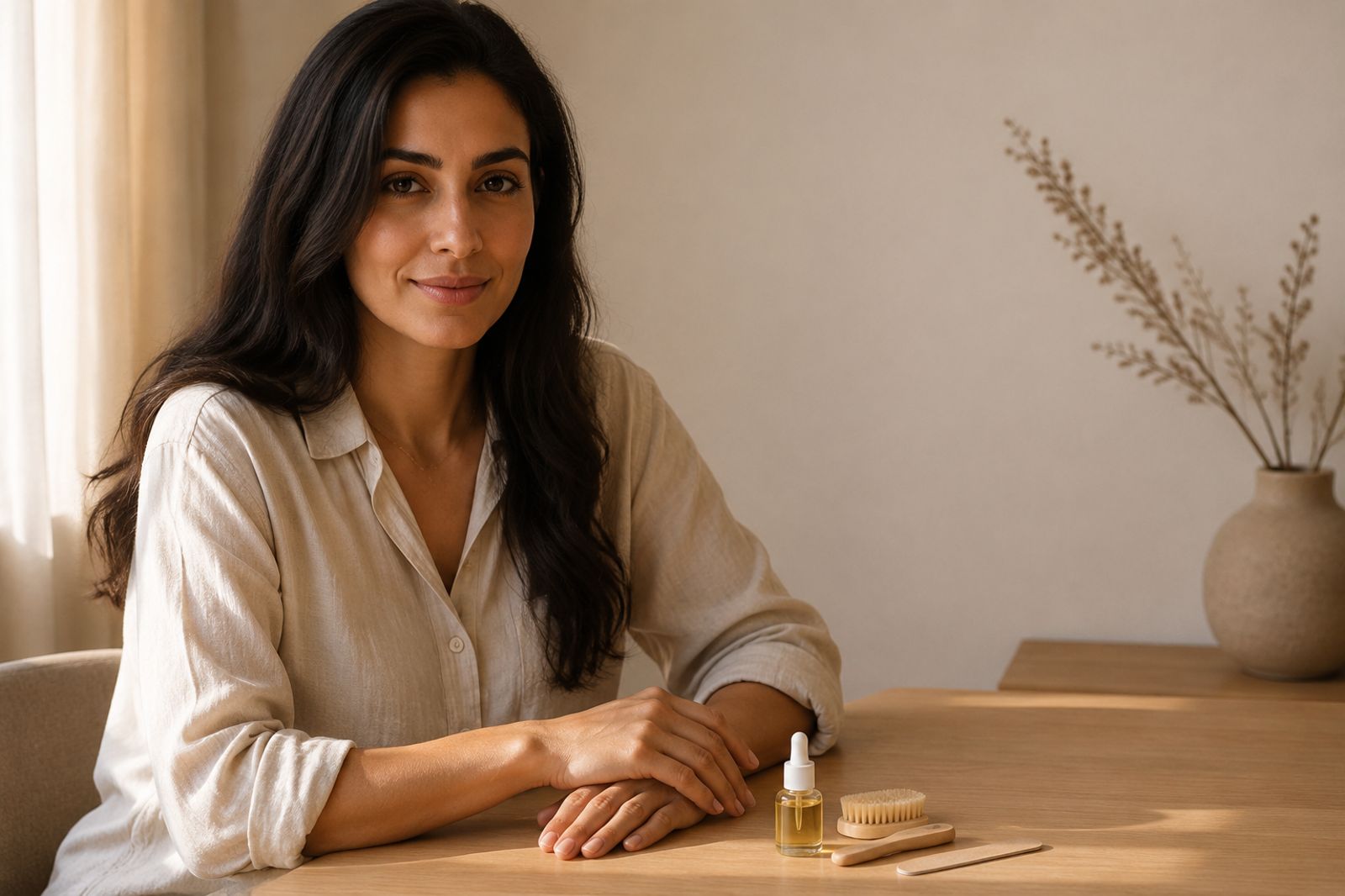

Nail care is the practice of maintaining fingernail and toenail health through regular cleaning, hydration, nutrition, and protective habits. Far from being merely cosmetic, proper nail maintenance is a fundamental wellness ritual — one that protects the body, reflects overall health, and rewards consistency with stronger, more resilient nails over time.

Nail Care: What It Really Means
Nail care encompasses everything from daily hygiene to nutritional support and the choice of products that either strengthen or strip the nail plate. In 2026, the global nail care products market reached USD 27.03 billion (in 2026), with projections to grow to USD 40.23 billion by 2034 at a compound annual rate of 5.09 percent (in 2026). That scale reflects a cultural shift: nail care is no longer viewed as an occasional salon indulgence but as an everyday practice rooted in dermatological science. The American Academy of Dermatology distills it into eleven evidence-backed tips — keep nails clean and dry, trim straight across, file in one direction, moisturize daily, avoid acetone, never pick cuticles, and wear gloves for wet work. These principles form the foundation that everything else builds upon.
The Origins of Modern Nail Care
The origins of modern nail care trace back centuries, but the evidence-based approach we know today emerged alongside dermatology as a formal medical specialty in the early twentieth century. What began as basic hygiene — keeping nails short and clean to prevent infection — expanded into a nuanced understanding of keratin biology, cuticle function, and the nail plate's role as a diagnostic indicator for systemic conditions. Physicians have long noted that changes in nail color, texture, or growth rate can signal nutritional deficiencies, thyroid disorders, or circulatory problems. This medical perspective reframes nail care basics as health maintenance rather than vanity: when you learn how to take care of nails properly, you are also monitoring a visible window into your body's internal state.

Why Nail Care Matters for Overall Health
Why nail care matters for overall health goes beyond cosmetics — nails protect sensitive fingertips, signal nutritional status, and when damaged, create entry points for infection. Brittle nails, for instance, are most often caused by repeated wet-dry cycles, acetone exposure, and nutritional deficiencies, not by a lack of specialized products. Addressing root causes before reaching for strengtheners is the core of natural nail care. The biotin supplement market reached USD 2.10 billion in 2026, with nail care applications accounting for 22.1 percent (in 2026) of that demand. Visible improvement from biotin supplementation requires three to six months of consistent use, matching the nail's full growth cycle. Similarly, iron from spinach and beans and omega-3 fatty acids (in 2026) from salmon and walnuts directly support keratin production, making basic nail maintenance inseparable from broader dietary habits.
What Do Healthy Nails Look Like?
What do healthy nails look like? Uniform color, smooth surface, consistent thickness, and a healthy cuticle bed form the benchmarks that dermatologists use to assess nail wellness. The nail plate should have a slight pink hue from the vascular bed beneath, with no ridges deep enough to catch a fingernail, no discoloration, and no separation from the nail bed. Cuticles should be intact and flexible, not torn or overgrown. If a nail loses these qualities — becoming brittle, developing white spots, or growing unevenly — the cause is usually environmental or nutritional rather than genetic. Simple changes in how you handle moisture and what you eat can reverse most common nail concerns within two to three growth cycles.
All data current as of 2026.
| Nail Condition | Likely Cause | Simple Fix |
|---|---|---|
| Brittle, peeling | Repeated wet-dry cycles | Wear gloves for washing; limit acetone |
| White spots (leukonychia) | Minor trauma to nail matrix | Heals on its own; no treatment needed |
| Slow growth | Poor circulation or low biotin | Biotin supplementation; hand massage |
| Yellow discoloration | Staining from dark polish or smoking | Base coat before color; buff gently |
Building Your Daily Nail Care Routine
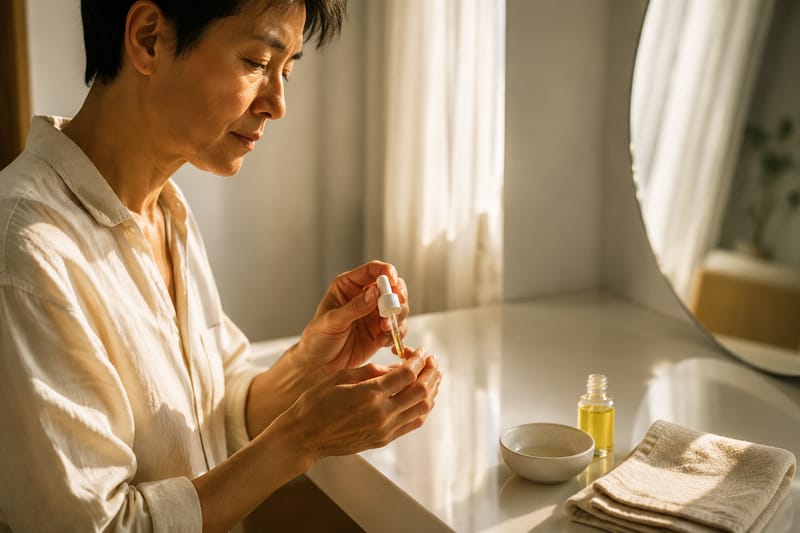
Building a daily nail care routine takes two minutes and four steps — clean with a soft brush, push back cuticles gently, apply cuticle oil, and finish with hand cream. The single most effective habit for maintaining nail health is consistent hydration. Cuticle oil applied once daily maintains baseline moisture; twice daily delivers optimal hydration; three times per day provides therapeutic benefit for dry or cracked cuticles — research from 2026 shows this frequency reduces hangnail occurrence by up to 60 percent (in 2026) compared to once-daily application. Jojoba oil is the gold standard carrier because it is the botanical closest to human sebum — clinical transepidermal water loss studies show it reduces moisture evaporation by 0.96 grams per hour per square meter (as of 2026).

For those seeking nail health tips tailored to their specific needs, Manucurist's 2026 guide recommends tiering routines by nail condition. A basic routine suits healthy nails with no visible concerns. A starter routine addresses early signs of weakness with added protein treatments and targeted supplements. An ultimate routine is a two-week intensive for damaged or compromised nails. Each tier builds on the same foundation of gentle care, consistent hydration, and quality products — proof that strong nails depend more on repetition than on complexity.
Frequently asked
What is the difference between nail care and nail art?
Nail care focuses on the health of the nail plate, cuticles, and surrounding skin through hygiene, hydration, and nutrition. Nail art applies decorative techniques to the nail surface. The two complement each other: healthy nails provide the best canvas for any design, but nail art products and removal processes can undermine nail health if basic care is neglected.
How often should you trim your nails?
Most people benefit from trimming every one to two weeks. Nails grow an average of 3.5 millimeters per month — faster in warmer months and during pregnancy. Trim straight across with sharp clippers, then round the tips slightly with a file to prevent snags. Filing in one direction rather than back and forth reduces the risk of peeling and splitting.
Can brittle nails be reversed naturally?
Yes, in most cases. Eliminating acetone-based removers, wearing gloves for washing dishes, and applying jojoba oil two to three times daily can restore flexibility within two to three months. If brittle nails persist despite these changes, a biotin supplement and a review of dietary iron and protein intake may be necessary.
Is cuticle oil really necessary?
Cuticle oil is the single most impactful product in any nail care routine because it addresses the root cause of most common nail problems — dehydration. The cuticle seals the nail plate against bacteria and moisture loss, and keeping it flexible prevents tearing and hangnails. Without regular oiling, even the most careful trimming routine will struggle to maintain nail health.
What vitamins are best for nail growth?
Biotin is the most studied supplement for nail health, followed by iron, zinc, and vitamin C. Biotin supports keratin infrastructure, iron enables oxygen delivery to the nail matrix, zinc assists protein synthesis, and vitamin C aids collagen production. A balanced diet consistently outperforms any single supplement, but targeted biotin at 2.5 to 5 milligrams daily shows measurable improvement in nail thickness and reduced splitting within three to six months.

The Natural Nails Guide: Embracing Your Natural Nail Beauty
Discover the quiet luxury of natural nails. Expert tips on nail health, non-toxic polish, and transitioning from acrylics for stronger, beautiful nails.

Nail Health 101: How to Keep Nails Strong and Beautiful
5 evidence-based steps for strong nails naturally. From biotin-rich foods to daily care, a complete guide to nail health from dermatologists.
The Perfect Nail Care Routine: Step-by-Step Guide
Discover the ideal nail care routine for healthy nails. Follow our step-by-step guide for beautiful, strong nails.