
Quality Over Quantity: Stella McCartney's Luxury Review
Does Stella McCartney prove luxury fashion can be sustainable? A cultural review of cruelty-free innovation, quality over quantity and industry influence.
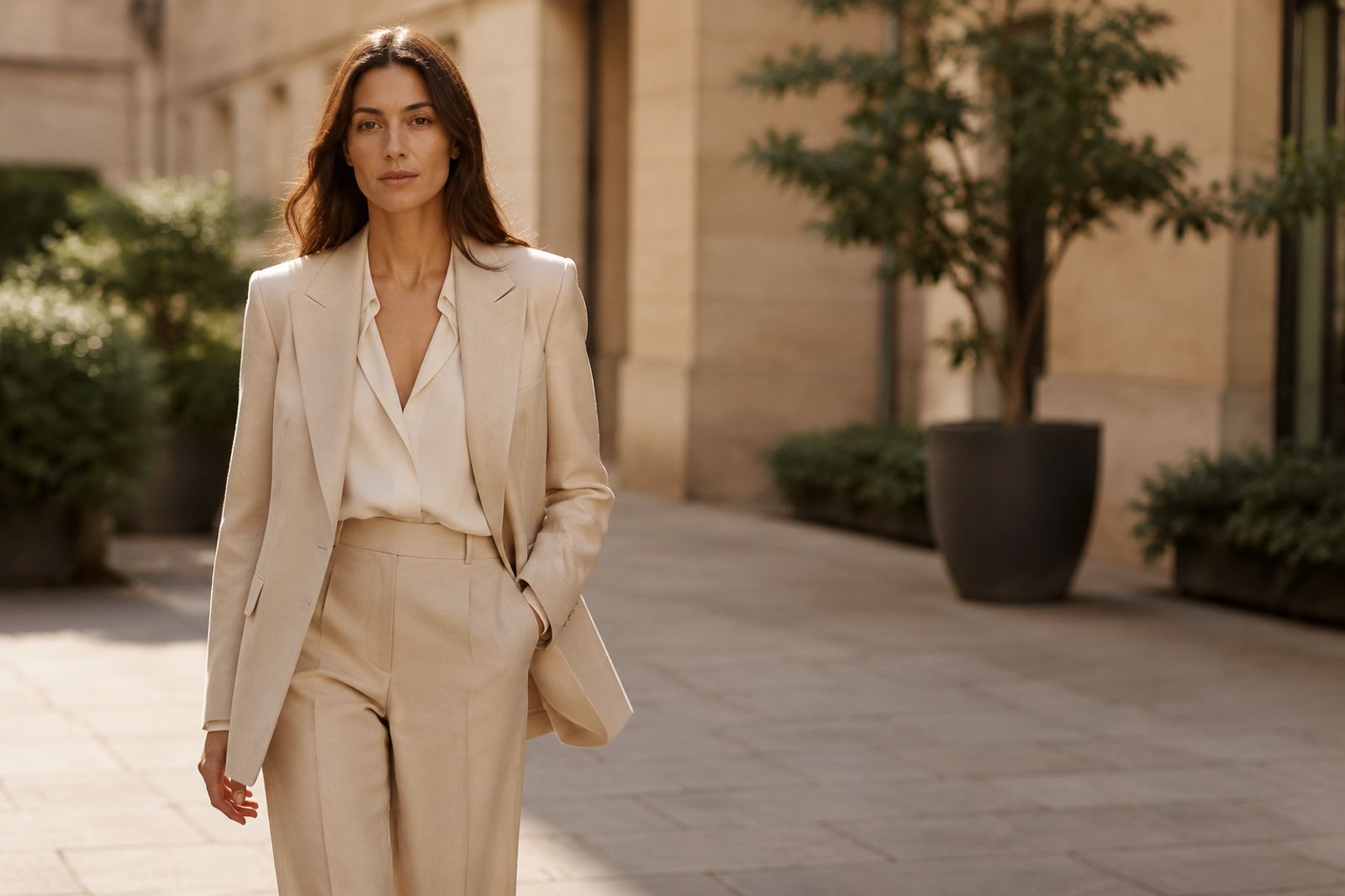

Stella McCartney launched her house in 2001 with a radical declaration: no leather, no fur, no feathers, no skins. Twenty-five years on, that stance reads as prescient — the brand has proven that luxury fashion can exist without animal products while maintaining the desirability and cachet that define the category. The present review examines what Stella McCartney has accomplished, where the model holds, and where it still has ground to cover.

Stella McCartney: The Brand's Core Ethos
Stella McCartney's core ethos has been consistent since 2001: luxury fashion can exist without harming animals or the planet. The brand operates as the first luxury house to ban animal-based materials from inception — a stance ridiculed in the early 2000s but now regarded as prophetic. By 2026, nearly every major luxury group has announced animal-free initiatives, yet Stella McCartney remains the only house that started there.
The brand's commitment to the quality over quantity philosophy runs through every operational decision. Stella McCartney maintains the smallest assortment among accessible luxury competitors — just 1,126 items as of 2026 — with the fewest monthly new arrivals. The small size is not a limitation but a structural choice that minimises unsold inventory — a defining trait among ethical fashion brands operating at this tier.

Sustainability Wins That Define the Brand
Sustainability wins across the brand's 25-year history (since 2001) paint a picture of steady, material progress. The 2025 Earth Month collection reached 96% conscious and 100% cruelty-free materials in 2025, including Mylo mushroom-based leather from Bolt Threads, recycled nylon, and seaweed-derived yarns. The brand's partnership with Clicquot has produced grape-based leather, while algae-based sequins offer fully biodegradable alternatives to petroleum-based embellishments.
Stella McCartney's material innovations sit alongside measurable environmental targets. The brand aims for net zero emissions by 2040, with an interim target of 46.2% reduction (as of 2026) in supply chain emissions by 2030 — validated by science-based targets aligned with the Paris Agreement. The brand had already achieved a 76% reduction (as of 2022) in operational emissions, suggesting the trajectory is credible.
| Material Innovation | Source | Key Benefit |
|---|---|---|
| Mylo mycelium leather | Bolt Threads (partnered 2017) | Mushroom-based, fully compostable |
| Grape-based leather | Clicquot Veuve Clicquot partnership | Waste-to-resource from wine production |
| Algae-based sequins | Dedicated biomaterials R&D | Fully biodegradable, replaces plastic |
| Alter Mat | In-house development | Signature leather alternative |
| Seaweed-based yarns | Third-party biomaterials | Renewable, low-water cultivation |
More than 95% of the cotton in the ready-to-wear mainline as of 2026 is organic (70%), recycled (3%), or from regenerative farms (12%). In 2024, PETA named Stella McCartney Person of the Year, recognising two decades of cruelty-free advocacy — a quiet luxury stance the brand has occupied longer than any competitor.
Can Luxury Be Truly Sustainable?
Can luxury be truly sustainable when the fashion industry generates roughly 10% of global carbon emissions (in 2026) and textile dyeing accounts for 20% of global wastewater? These are the structural realities that Stella McCartney has spent 25 years since 2001 trying to solve from within the system.
The brand's approach acknowledges that sustainability in luxury is about direction of travel rather than perfection. The minimal assortment strategy, the biomaterials investment, the Paris-aligned carbon targets — each uses the brand's influence to shift what is considered normal. The UK sustainable fashion market reached $261.04 million in 2024 and is projected to grow at a 23.6% compound annual rate through 2033, and Stella McCartney occupies the premium end of that expansion. Around two-thirds of Gen Z and millennial consumers say they are willing to pay more for longer-lasting products — validating the brand's bet on conscious consumption as a durable market position.
Challenges of the Stella McCartney Model
Challenges in the Stella McCartney model deserve honest reckoning. The brand reported approximately £40 million in sales for 2022 with an operating loss of £8.8 million — a reminder that uncompromising ethical sourcing carries real cost. Luxury buyers expect the same hand-feel from plant-based leathers as calfskin, and the material science is still catching up.
The brand's buyback of the LVMH minority stake in 2025 restored independence but removed the group's financial cushion. Stella McCartney retained her ambassador role to LVMH, but the house now operates without the safety net of the partnership years.

The Ideal Stella McCartney Customer
The ideal Stella McCartney customer values design aligned with personal ethics, willing to pay for materials that cost more to source. The typical buyer is design-literate, aged 28 to 55, and already practising mindful consumption in other areas of life. The goal is not a badge of virtue but a coat that feels as good as it looks and the quiet confidence of knowing no animal was harmed in its making.
The Stella McCartney audience overlaps with the slow fashion movement and the shift toward conscious consumption that has accelerated since 2020. The quality over quantity fashion philosophy and the buy fewer better things philosophy have moved from niche editorial to mainstream behaviour.
Stella McCartney: The Verdict on Quality Over Quantity
Stella McCartney's verdict on quality over quantity is written into every collection: buy fewer pieces, make each one count. The brand is not for everyone — the price points ensure that — but its cultural influence extends far beyond its revenue, shaping what other houses consider possible.
The brand that was once ridiculed for refusing leather has outlasted the criticism, bought back its independence, and positioned itself as the benchmark for anyone asking whether luxury fashion can be both beautiful and responsible. The answer is a considered yes — with the caveat that the road is slower and more expensive than the industry would like. For anyone tracking Stella McCartney sustainability claims and the broader sustainable luxury category, the brand remains the standard.
Frequently asked
What does quality over quantity mean in fashion?
Quality over quantity in fashion means choosing fewer, better-made garments that last longer. Stella McCartney exemplifies this through a minimal assortment of 1,126 items with limited seasonal drops.
Is Stella McCartney actually sustainable?
Stella McCartney is one of the most substantiated luxury brands on sustainability, with science-based carbon targets, 96% conscious materials, and a 25-year track record of refusing animal products. No fashion house at this scale is fully circular, but the impact is measurable and third-party validated.
Does Stella McCartney use real leather?
Stella McCartney has never used animal leather, fur, feathers, or skins since 2001. The brand uses alternatives such as Mylo mushroom-based mycelium leather, grape-based leather from the Clicquot partnership, and its own Alter Mat material for signature bags.
What is the buy fewer better things philosophy?
The buy fewer better things philosophy encourages purchasing high-quality, durable goods that last longer. The Journal of Marketing has shown that luxury goods possess a unique sustainable trait through durability, and that emphasising product longevity helps consumers overcome product durability neglect.
How has Stella McCartney influenced the fashion industry?
Stella McCartney proved that a luxury house can succeed without animal materials, inspiring major groups to invest in biomaterials and alternative leathers. The 2025 LVMH stake buyback created a new model for independent cruelty-free luxury.

Master Mindful Consumption: Embrace Luxury in Simplicity
Discover mindful consumption practices to thrive in a culture of excess. Elevate your lifestyle with intentional living and sustainable shopping habits.

Fashion Sustainability: Slow vs Fast Fashion Explained
Explore the cultural divide between slow fashion and fast fashion. Understand the implications for fashion sustainability and ethical choices.

Sustainable Luxury vs Ethical Fashion: Key Differences
Understand the difference between sustainable luxury fashion and ethical fashion — why they overlap yet diverge, and how to evaluate brand claims in 2026.