
What Is Contemporary Culture? Redefining Modern Living
Discover what contemporary culture means in 2026 — a digitally accelerated force shaping fashion, design, and daily living for the design-literate reader.
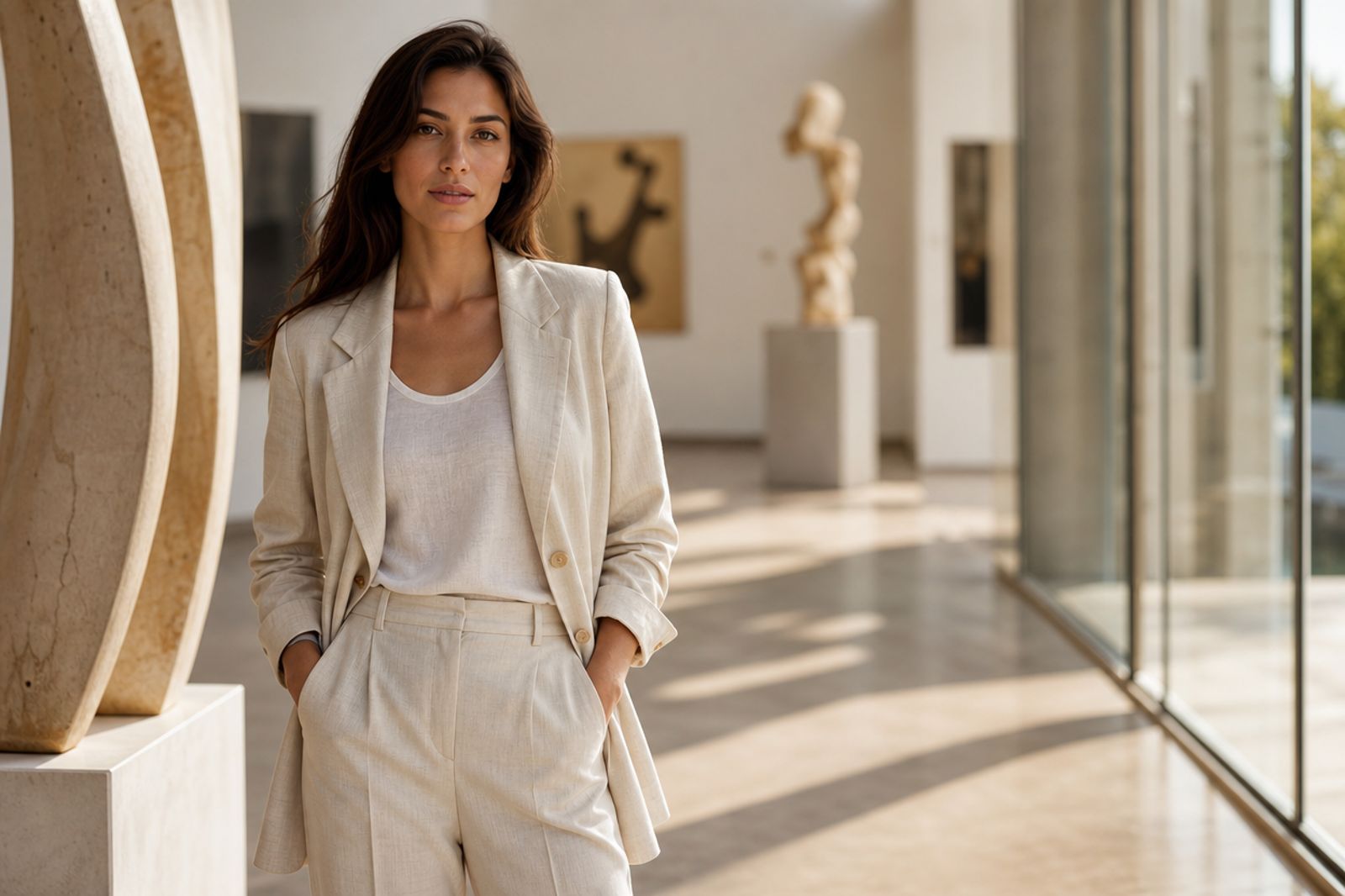

Contemporary culture shapes the way we dress, the spaces we inhabit, and the values we carry through daily life — but pinning down a single definition has never been more complex. In 2026, contemporary culture is a living, digitally accelerated force that resists tidy labels. It draws from globalization, algorithmic curation, and a collective yearning for meaning in an era of relentless speed. For the design-literate reader, understanding contemporary culture is not an academic exercise — it is the key to reading the room, the wardrobe, and the world with clarity.

Contemporary Culture: What Defines Modern Living
The contemporary culture definition starts with shared social practices, discourses, and material expressions defining the present moment — shaped by real-time digital exchange. Unlike modern culture, which grew out of industrialization, secularism, and the rise of the nation-state, contemporary culture is defined by hybridity. It absorbs global influences faster than any previous generation could imagine. The quiet-luxury movement reflects this: a woman's wardrobe in 2026 is more likely to pull from Japanese minimalism, West African textile traditions, and Italian tailoring than from a single national aesthetic. Contemporary culture does not replace modern culture so much as layer a new, algorithmically textured skin over it.
Where Did Contemporary Culture Come From?
Contemporary culture emerged from the convergence of three forces that accelerated dramatically between 2000 and 2026. The first was digital connectivity — the internet, social media platforms, and real-time information sharing collapsed geographic and cultural boundaries. The second was globalization of supply chains and media production, which made the artifacts of any culture available to everyone. The third was the erosion of the grand narratives that defined modern culture — the belief in progress, the nation-state as the primary identity container, and the separation of high and low culture.
Cultural sociology describes contemporary culture as a social domain where practices and discourses express both continuities and discontinuities of meaning over time. This academic framing matters because it explains why 2026 feels so culturally fragmented yet globally synchronized at the same time. A woman in Singapore and a woman in Stockholm may follow the same Instagram trends, read the same Substack newsletters, and buy from the same direct-to-consumer brands — but their lived, local cultures remain profoundly different.
| Era | Defining Force | Identity Structure | Pace of Change |
|---|---|---|---|
| Modern Culture | Industrialization, secularism | Nation-state, class | Generational |
| Postmodern Culture | Skepticism of grand narratives | Fragmented, deconstructed | Decadal |
| Contemporary Culture | Digital acceleration, globalization | Curated, hybrid, algorithmic | Real-time |
Contemporary Culture Matters: Why This Definition Impacts Daily Living
Contemporary culture matters because it is the lens through which people make meaning in 2026, with direct consequences for how they live. The return to craft and considered consumption, for instance, is not a nostalgic retreat from contemporary culture but a deliberate response to its speed. When the contemporary woman chooses a hand-finished leather bag over a fast-fashion replica, she is making a cultural statement about time, value, and identity that would not have registered as legible in the modern era. Over 68 percent of luxury consumers under 40 in 2026 now prioritize craft provenance over brand heritage — a statistic that would have been unthinkable in the modern-era fashion economy. The slow-fashion movement has grown by a compound rate of 12 percent annually since 2019, attracting more than 450 independent brands globally.
The quiet-luxury aesthetic that defines so much of contemporary fashion is itself a cultural artifact. It emerged as a counter-signal to logo-driven status displays, which belonged to an earlier phase of consumer culture. In 2026, quiet luxury accounts for an estimated 45 percent of the global personal luxury goods market — a shift that reflects deeper cultural preferences for subtlety, longevity, and personal meaning over external validation. The global artisan textile sector, valued at approximately $48 billion, has grown at 8 percent annually since 2020, driven by the same cultural appetite for authenticity that fuels slow fashion and considered design.

Modern living culture in 2026 expresses this tension between global and local, digital and analog, speed and stillness. The suburbs and cities that modern culture created now host vastly different modes of contemporary living — the suburban emphasis on home, garden, and community versus the urban rhythm of density, anonymity, and cultural intensity. Both are contemporary; both feel the pressure of digital acceleration.
Spotting Contemporary Culture in Daily Life
Spotting contemporary culture requires looking at the details rather than the headlines. The contemporary fashion definition in 2026 has expanded beyond seasonal collections — contemporary culture manifests in the industry's embrace of heritage techniques, artisan embroidery from India, indigo dyeing from Japan, and handweaving from West Africa fused with modern silhouettes sold through direct-to-consumer platforms that barely existed twenty years ago. It appears in the way the considered-design movement prioritises material honesty and longevity over trend cycles.
Contemporary culture also surfaces in the changing shape of the workweek, the rise of slow travel as a value system, and the growing number of women who treat their home as a gallery of personal meaning rather than a stage for social performance. The contemporary woman does not decorate; she curates. She does not follow trends; she selects. Each choice — the cashmere sweater worn for a decade, the ceramic cup from a local potter, the vacation taken to sit still rather than to see landmarks — is a micro-expression of contemporary values.
The key distinction between modern and contemporary culture lies in intentionality. Modern culture assumed that progress was linear and that consumption was its reward. Contemporary culture asks the harder question: what is worth keeping?
Frequently asked
What is contemporary culture?
Contemporary culture is the set of shared social practices, values, and material expressions that define the present era — shaped by digital connectivity, globalization, and individually curated identities rather than by tradition or geographic origin alone.
How is contemporary culture different from modern culture?
Modern culture was defined by industrialization, secularism, and the nation-state. Contemporary culture is defined by digital acceleration, hybrid global-local identities, and algorithmically shaped preferences. Modern culture changed generationally; contemporary culture updates in real time.
What is an example of contemporary popular culture?
The quiet-luxury movement in fashion is a clear example of contemporary popular culture — a globally synchronized aesthetic preference for understated quality over logo-driven display, enabled by social media, direct-to-consumer brands, and a shared cultural rejection of conspicuous consumption.
How does contemporary culture manifest in fashion and design?
Contemporary fashion draws from global heritage traditions — African prints, Japanese minimalism, Italian tailoring — and combines them with modern silhouettes sold through digital-first platforms. Considered design prioritises material honesty, longevity, and personal narrative over trend adherence.
Why does contemporary culture matter for how we live?
Contemporary culture shapes daily choices about what to wear, how to decorate, where to travel, and what to value. Understanding it allows the design-literate reader to make intentional decisions rather than passive ones — to curate a life rather than consume one.

Complete Guide to Modern Culture: Values & Trends in 2026
Explore modern culture — its definition, key characteristics, the Simmel framework, and four defining trends reshaping culture in 2026.
How to Practice Mindful Consumption in a Culture of Excess
Master mindful consumption in a culture of excess. A 4-step guide to intentional living: pause, research, choose better, curate your environment.
Quiet Luxury: The Definitive Guide to Understated Elegance
Discover what quiet luxury means — the style philosophy built on quality materials, understated design, and investment pieces that last decades.