
Natural Skincare Brands: The Complete 2026 Guide
Discover the top natural skincare brands for 2026 — certified clean, clinically tested, and organized by budget. Expert guide with 10 brands reviewed.
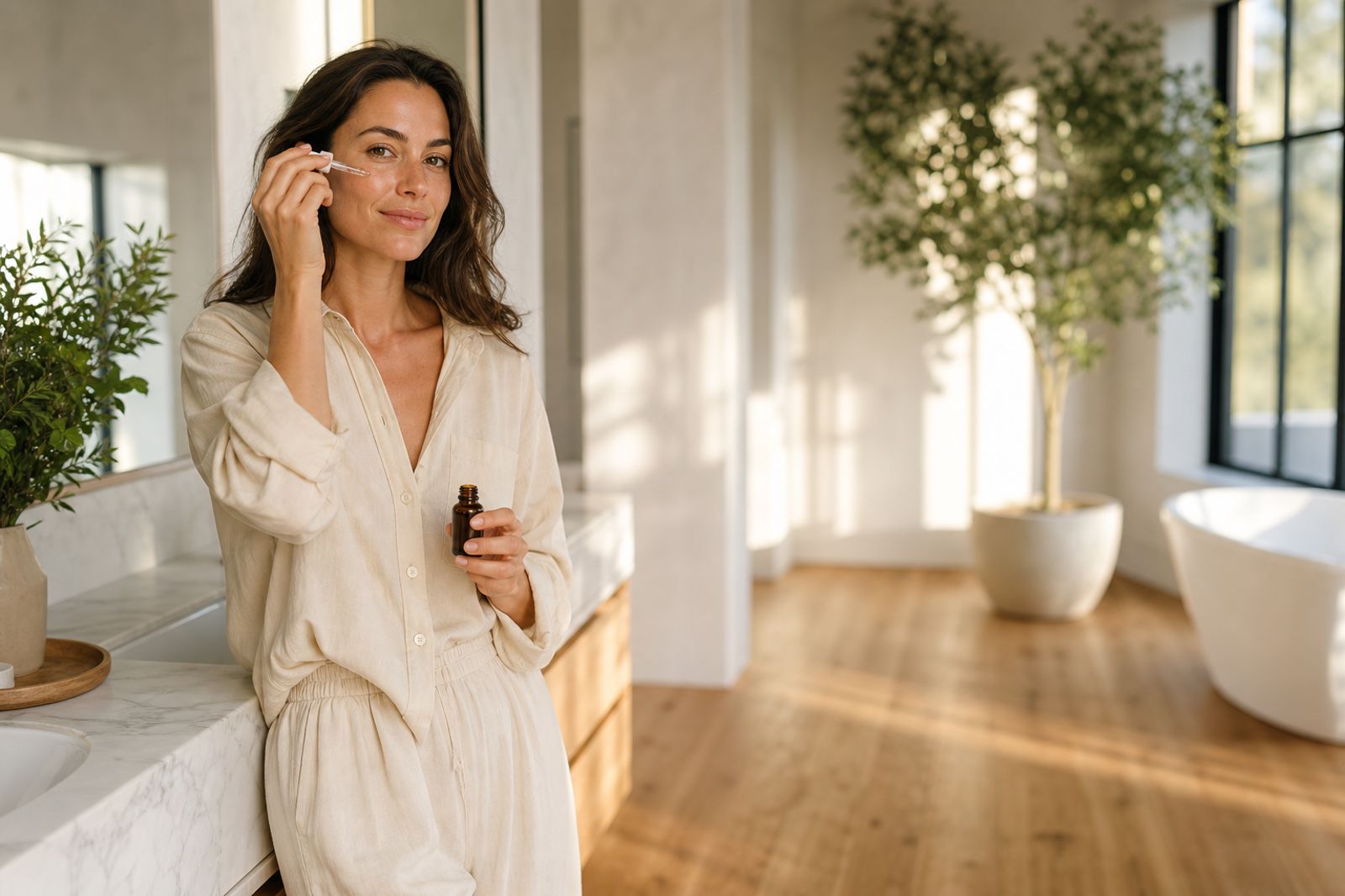

Natural skincare brands occupy a $49.74B global market in 2026, yet the terms "natural," "clean," and "nontoxic" remain unregulated by any government body. The brands earning genuine trust are those backed by third-party certifications like EWG Verified, MADE SAFE, and NATRUE — not marketing language alone. Use the table of contents to navigate this guide, which covers what separates real clean formulations from greenwashing, the certifications that matter, and the top natural skincare brands worth your attention this year.

Natural Skincare Brands: What "Clean" Actually Means
The FDA does not regulate the terms "natural," "clean," or "nontoxic" in cosmetics — any brand can use them freely. The word "organic" carries USDA oversight for agriculture but has no enforceable meaning for body care products. Vegan does not mean clean, and cruelty-free does not mean vegan — these are independent claims that address different aspects of formulation and testing.
What separates a genuinely natural skincare brand from one using greenwashing tactics is verifiable transparency: full ingredient disclosure, third-party certification, and supply-chain accountability. Brands like Dr. Hauschka (NATRUE certified, 500+ raw materials sourced biodynamically) and OSEA (Climate Neutral Certified, seaweed-based formulations) demonstrate that real commitment to clean beauty costs more than a label redesign.
Top Natural Skincare Brands for 2026
Ten leading natural skincare brands define the 2026 landscape — from clinical-performance lines to accessible drugstore options. Each earns its place through ingredient transparency, measurable commitments, or independent certification.

True Botanicals
True Botanicals runs independent clinical trials on every product — a rarity in natural beauty. Their Chebula Active Serum uses chebula, an Ayurvedic antioxidant, and the brand holds MADE SAFE certification across its entire line. Price range sits in the $50–$130 bracket (as of 2026), positioning it in the clinical-luxury tier.
Dr. Hauschka
Dr. Hauschka has operated since 1967 and maintains NATRUE certification, which requires 100% natural-origin ingredients. The brand cultivates over 500 raw materials through biodynamic farming partnerships, making it one of the most vertically integrated natural skincare brands in the world. Their Rose Day Cream remains the best-selling product in the line.
Tata Harper
Tata Harper's farm-to-face model means the brand grows a significant portion of its ingredients on a Vermont farm. The Superkind line targets reactive and sensitive skin, filling a gap that many natural brands overlook. Products range from $38 to $198 (as of 2026).
OSEA
OSEA earned Climate Neutral Certification and bases its formulations on sustainably harvested seaweed. The brand is 100% vegan and cruelty-free, with a Malibu-based seaweed supply chain. Their Atmosphere Protection Cream is a consistent bestseller.
Acure
Acure proves that clean skincare does not require a luxury budget. Available at Target, Whole Foods, and other mass retailers, the brand keeps prices under $20 (as of 2026) for most products while maintaining EWG verification on key items. Acure's Brightening Cleansing Gel outsells competitors two-to-one in the natural cleanser category at major retailers.
Herbivore Botanicals
Herbivore Botanicals takes a minimalist approach — short ingredient lists, no synthetic fragrances, no dyes. The brand's Pink Cloud Soft Moisture Cream and Lapis Blue Tanning Oil have earned cult followings. Price range: $24–$58 (as of 2026).
Kora Organics
Founded by Miranda Kerr, Kora Organics holds USDA Organic certification on select products and COSMOS organic certification across the range. The Noni Glow Face Oil is the brand's hero product, using noni fruit extract as its signature ingredient.
Pai Skincare
Pai Skincare specializes in sensitive and reactive skin, holding Soil Association COSMOS certification. The Rosehip BioRegenerate Oil uses CO2-extracted rosehip — a method that preserves more active compounds than cold-pressing. Pai's formulations avoid all common irritants including essential oils on their sensitive-skin range.
Weleda
Weleda has operated for over a century using biodynamic agriculture. The Skin Food cream, first formulated in 1926, remains the brand's top seller worldwide. NATRUE certification covers the entire product range. Weleda operates its own medicinal plant gardens across Europe.
Credo Beauty
Credo Beauty functions as a curated marketplace rather than a single-label brand. The retailer enforces a "Credo Clean Standard" that bans over 2,700 ingredients — significantly more than any US regulation requires. Shopping at Credo gives access to dozens of vetted natural skincare brands in one place.
Best Natural Skincare Brands by Budget
Natural skincare spans a wide price range. Here is how the top natural skincare brands break down by cost (prices as of 2026):
| Budget Tier | Brands | Typical Price Range |
|---|---|---|
| Accessible | Acure, Herbivore Botanicals | $10–$58 |
| Mid-range | Pai, OSEA, Kora Organics | $30–$80 |
| Clinical luxury | True Botanicals, Tata Harper, Dr. Hauschka | $50–$198 |
| Curated retailer | Credo Beauty (multi-brand) | Varies |
Acure delivers the strongest value proposition in the accessible tier, while True Botanicals leads the clinical-luxury segment with its independent trial data. The mid-range tier offers the broadest selection, with Pai and OSEA each carving out a distinct niche — sensitive skin and seaweed-based formulations, respectively.

Natural Skincare Brands List: Certifications That Matter
Third-party certifications are the only reliable way to verify a brand's clean-beauty claims. The natural skincare market generates $25.44B in annual revenue as of 2026, growing at 11.6% CAGR, and that growth attracts brands making unsubstantiated claims. Here are the certifications worth knowing:
- EWG Verified — The Environmental Working Group's certification screens every ingredient against a banned-substance list and requires full formula transparency. Products must score 1–2 on EWG's hazard scale.
- MADE SAFE — Screens for behavioral toxins, carcinogens, developmental toxins, endocrine disruptors, fire retardants, heavy metals, high-risk pesticides, mutagens, and reproductive toxins. The most comprehensive formula-level certification available.
- NATRUE — Requires 100% natural-origin ingredients. No synthetic fragrances, colorants, or petroleum-derived ingredients permitted. Dr. Hauschka and Weleda both hold NATRUE certification.
- COSMOS (Soil Association) — European standard requiring a minimum percentage of organic ingredients. Pai Skincare and Kora Organics hold this certification.
- Leaping Bunny — Certifies cruelty-free status only — no animal testing at any stage. Does not address ingredient sourcing or vegan status.
- USDA Organic — Regulates agricultural products, not body care. A "USDA Organic" label on skincare means the brand chose to meet the agricultural standard voluntarily, but no law requires it.
Building a Natural Skincare Routine
A natural skincare routine follows the same structure as any effective regimen — cleanse, treat, moisturize, protect — but with cleaner formulations. The key difference is ingredient selection: natural brands replace synthetic actives with plant-derived alternatives that deliver comparable results.
Start with a gentle cleanser. Acure's Brightening Cleansing Gel or Pai's Middlemist Seven work for most skin types. Add a treatment serum — True Botanicals Chebula Active Serum targets fine lines, while OSEA's Hyaluronic Sea Serum focuses on hydration. Finish with a moisturizer suited to your skin type: Herbivore's Pink Cloud for normal-to-dry, Pai's The Anthemis for sensitive skin, or Weleda Skin Food for very dry complexions.
Natural sunscreen remains the trickiest category. Mineral sunscreens using zinc oxide are the clean option, but texture and white cast vary significantly by brand. Test before committing to a daily-use formula.
Greenwashing Red Flags in Natural Skincare
The natural and organic cosmetics market is projected to reach $27.41B by 2036, nearly doubling from $14.3B in 2026. That growth incentivizes greenwashing — the practice of making misleading environmental or health claims. Watch for these red flags:
- Vague language — "Made with natural ingredients" means nothing without certification. A product can contain one natural ingredient and use this phrasing.
- No ingredient list — Legitimate natural skincare brands publish full ingredient lists (INCI names). Brands that hide behind proprietary blends are avoiding scrutiny.
- Single "hero" ingredient marketing — Some brands spotlight one botanical ingredient while the formula is primarily synthetic. Check where that ingredient falls on the INCI list — if it appears after the preservative system, its concentration is negligible.
- No third-party certification — Self-reported claims of "clean" or "natural" carry zero accountability. Only independent certification bodies verify formulations.
Where Natural Skincare Goes From Here
The natural skincare market is consolidating around certification and transparency as consumers become more sophisticated about ingredient claims. Brands investing in clinical trials, supply-chain traceability, and third-party verification are pulling ahead of those relying on marketing language alone. For the reader building a cleaner routine, the starting point is simple: choose certified brands, read ingredient lists, and let transparency — not packaging — guide your choices.
Read next in this series
More posts in this series will appear as they publish. Check back soon for deep dives into clean beauty brands, natural skincare ingredients, and building routines for every skin type.
Frequently asked
What are the best natural skincare brands for aging skin?
True Botanicals and Tata Harper lead for aging skin within the natural category. True Botanicals' Chebula Active Serum has clinical data showing improvements in fine lines and firmness. Tata Harper's Superkind line works for aging skin that has also become reactive or sensitive over time.
Are natural skincare brands actually better for your skin?
Natural skincare brands avoid certain synthetic ingredients linked to irritation or endocrine disruption, but 'natural' does not automatically mean safer or more effective. The value lies in transparent formulations and third-party certification — not the word 'natural' alone.
How do I know if a natural skincare brand is legitimate?
Check for third-party certifications (EWG Verified, MADE SAFE, NATRUE, COSMOS). Legitimate brands publish full INCI ingredient lists, disclose sourcing practices, and submit to independent audits. Brands that rely solely on marketing language without certification are harder to trust.
What is the difference between natural, organic, and clean skincare?
Natural means derived from plant or mineral sources but is unregulated. Organic requires USDA or equivalent certification for agricultural ingredients but has no body-care-specific standard. Clean is a marketing term with no legal definition. Only third-party certifications provide enforceable standards.
Can natural skincare brands deliver the same results as conventional products?
Clinical-performance natural brands like True Botanicals run independent trials to prove efficacy. Plant-derived retinol alternatives (bakuchiol), peptide complexes, and antioxidant serums from brands like Dr. Hauschka and Tata Harper deliver measurable results — though formulation quality varies widely across the natural category.
10 Luxury Skincare Brands Worth Knowing in 2026
Discover 10 luxury skincare brands redefining regenerative science in 2026 — from Augustinus Bader to Tata Harper. Clinical results, real ingredients.
The Complete Skincare Routine: A Step-by-Step Guide
Build an effective skincare routine with this guide. Covers morning and night sequences, product picks by skin type, and mistakes to avoid.

Minimalist Makeup: The Complete Guide to Intentional Beauty
Build a capsule makeup collection of 7 multitasking products. Learn the minimalist makeup routine that saves time, money, and waste.